

FREE 7-DAY CHALLENGE
Most People Never Realize Their Kitchen Habits Are Quietly Shaping Their Future
Join the free 7-Day Kitchen Upgrade Challenge and discover how small, intentional kitchen upgrades can quietly transform the way you cook, eat, and feel every day.

You'll get the free guide + simple daily upgrades delivered straight to your inbox.

Learn why the oil you cook with matters (and what most people miss)

Build healthier kitchen habits that actually fit real life

Make healthy cooking feel simpler, more enjoyable, and less overwhelming

Receive daily kitchen upgrades and practical tips in your inbox

Small kitchen upgrades can quietly transform the way you cook, eat, and feel every day.

The Oil You Cook With Matters.

FREE 7-DAY CHALLENGE
Most People Never Realize Their Kitchen Habits Are Quietly Shaping Their Future
Join the free 7-Day Kitchen Upgrade Challenge and discover how small, intentional kitchen upgrades can quietly transform the way you cook, eat, and feel every day.
You'll get the free guide + simple daily upgrades delivered straight to your inbox.
Learn why the oil you cook with matters (and what most people miss)
Build healthier kitchen habitsthat actually fit real life
Make healthy cooking feel simpler, more enjoyable, and less overwhelming
Receive daily kitchen upgrades and practical tips in your inbox
Small kitchen upgrades can quietly transform the way you cook, eat, and feel every day.
The Oil You Cook With Matters.
FREE 7-DAY KITCHEN UPGRADE CHALLENGE!
Monday, November 16, 2026
What Happens When Cooking Oil Is Heated?
Ever wondered what happens to oil in a hot skillet? Discover how heat changes cooking oil and why the way you cook makes a difference.
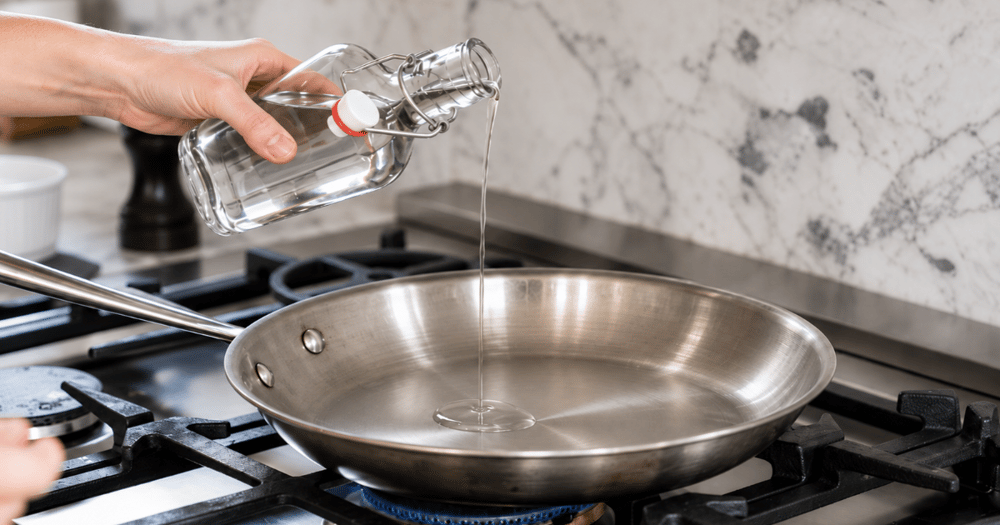
What happens to cooking oil when itgets hot? Learn how heat changes oil, why some cooking methods affect it more than others, and what that means for the meals you make at home.
You've probably heard that cooking oil can start to break down when it's heated.
And if you use oil to make breakfast, sauté vegetables, or prepare dinner most days, you might wonder what that actually means.
Does heating oil change it? Yes.
But I'd like you to think about something else before deciding whether those changes are good or bad.
How you're heating the oil matters.
Think about making scrambled eggs. You warm a little oil in a skillet, cook your eggs over gentle heat, and a few minutes later, breakfast is ready.
Now compare that with oil kept hot through several rounds of deep-frying.
Both involve heating oil. But the temperature, the length of cooking, and the conditions are quite different.
And those differences can affect how much the oil changes.
So rather than looking at heat alone, I think it's more useful to understand what happens to cooking oil when it gets hot, which changes matter, and what that means for the meals you already enjoy making.

THE QUICK ANSWER
When cooking oil is heated, it becomes thinner and flows more easily, helping transfer heat to your food.
Heat can also cause chemical changes. Oil can react with oxygen through a process called oxidation, while moisture and prolonged heating can contribute to other reactions.
How much the oil changes depends on its composition, the temperature, how long it's heated, and whether it's heated repeatedly.
The important distinction is that ordinary cooking and prolonged high-temperature frying don't expose oil to the same conditions.

In This Guide
01. What Happens to Cooking Oil When You Heat It?
02. Does Cooking Oil Break Down Every Time You Cook?
03. What Actually Changes Inside Cooking Oil?
04. Why Do Some Cooking Oils Handle Heat Differently?
05. How Can You Tell When Cooking Oil Has Been Overheated?
06. What Does This Mean for Your Everyday Cooking?
07. Final Thoughts: Understanding the Heat You Use
08. Frequently Asked Questions
01. What Happens to Cooking Oil When You Heat It?
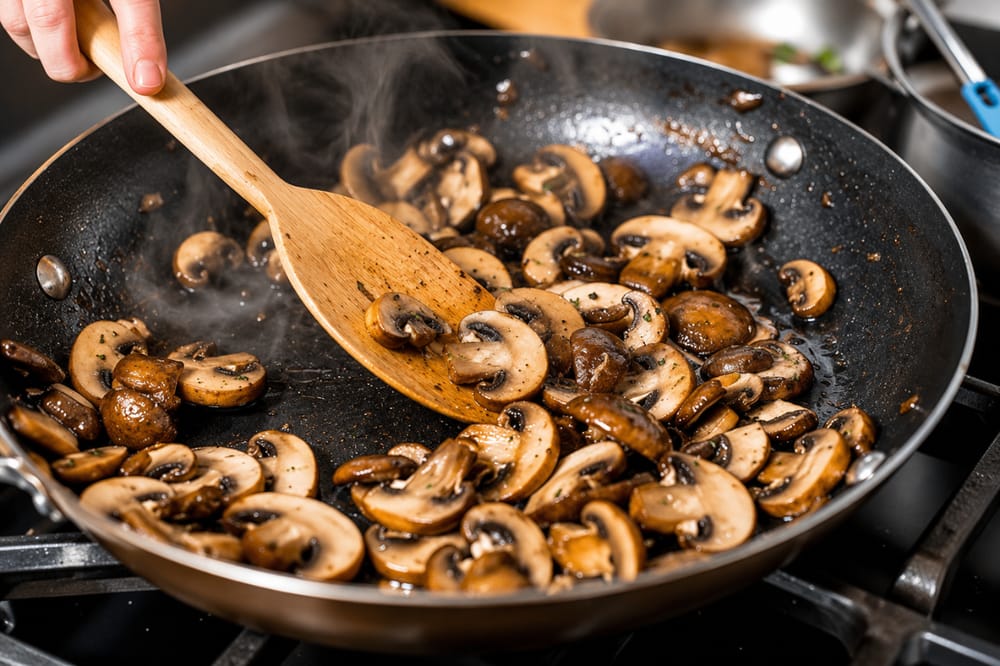
One of the first things you'll notice is how the oil begins to spread across the pan.
When most cooking oils warm up, they become thinner and flow more easily.
You might hear this described as viscosity. It's simply a way of describing how easily a liquid flows.
And when you're cooking, that change is useful.
Imagine you've put some sliced mushrooms into a warm skillet with a little oil.
As you turn them, the oil coats their surfaces and helps transfer heat from the pan. The mushrooms begin to soften, release moisture, and eventually brown.
That's part of what makes oil useful in everyday cooking.
But here's an interesting difference.
If you warm some fresh oil and then allow it to cool, it generally becomes thicker again.
The heat changed how easily the oil flowed, but cooling reverses that physical effect.
It's different when the oil begins to change chemically.
Under certain cooking conditions, some of the fats in the oil can react and form new compounds.
Those changes aren't simply undone when the oil cools.
So there's a difference between an oil becoming thinner because it's warm and an oil gradually deteriorating through chemical reactions.
That distinction helps make sense of something people often wonder about.
02. Does Cooking Oil Break Down Every Time You Cook?
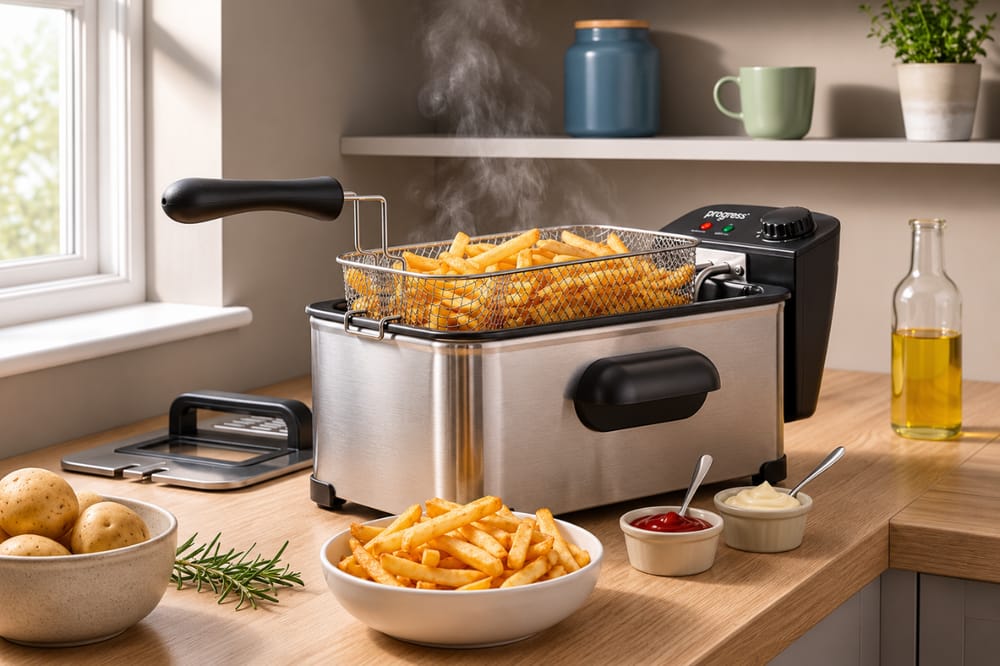
Some chemical changes can begin whenever oil is heated, but that doesn't mean the oil becomes spoiled or unsafe every time you prepare a meal.
What matters is how much those changes develop.
Remember the difference between making scrambled eggs and keeping oil hot for several rounds of frying?
With the eggs, you're using a small amount of oil for a relatively short time.
With repeated frying, the oil stays at a higher temperature for longer. It's exposed to air, moisture, and food again and again.
Those conditions can lead to greater deterioration.
In general, higher temperatures make many chemical reactions happen faster. Longer heating gives them more time to develop, and repeated heating can allow some changes to accumulate.
That's why I'd be careful about taking information from a study involving hours of high-temperature frying and assuming it describes what happens every time you cook a quick meal at home.
The conditions aren't the same.
There's another detail that's easy to overlook.
The setting on your stove doesn't tell you the exact temperature of the oil in your pan.
A heavy skillet may heat differently from a thin one. The amount of oil and how long the pan has been heating can also make a difference.
And once you add food, the temperature can change again as the ingredients absorb heat and release moisture.
So when someone says an oil has been heated, I'd want to know a little more.
How hot was it? For how long? Was it fresh oil or oil that had already been used?
Those details give us a much better understanding of what may have happened.
03. What Actually Changes Inside Cooking Oil?
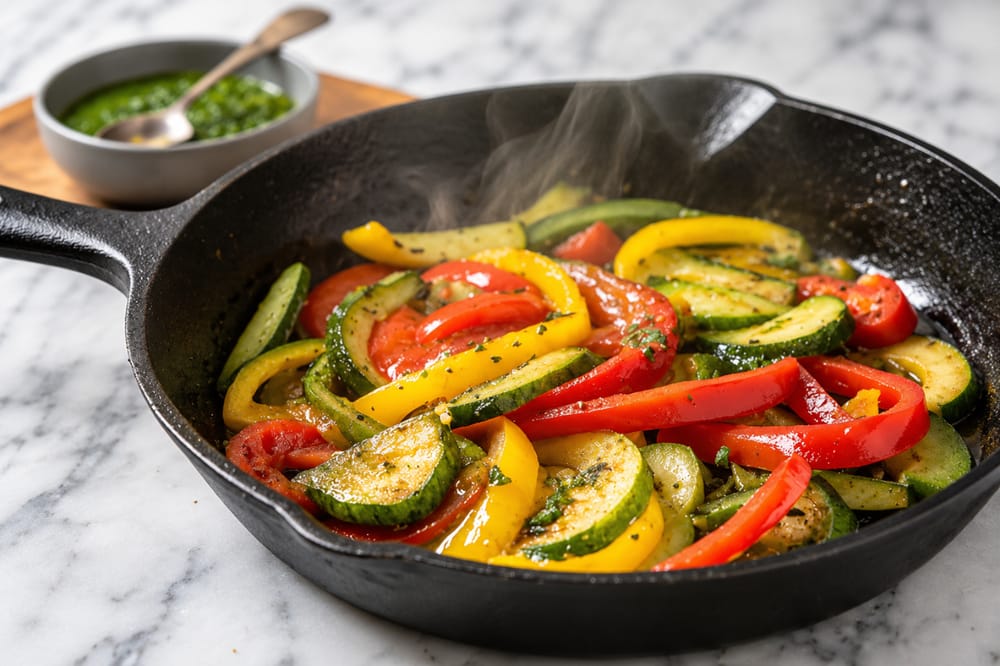
We've talked about why cooking conditions matter. Now let's look at what those conditions can do to the oil itself.
Cooking oils contain different kinds of fat molecules, and those molecules can react when exposed to heat, air, and moisture.
One of the most important reactions is called oxidation.
You've probably heard that cooking oil should be stored away from direct sunlight and excessive heat, with the bottle tightly closed.
That's partly because oxygen in the air can react with some of the fats in the oil.
It can happen gradually during storage, but heat can make those reactions happen faster.
Think about a bottle sitting in your cupboard compared with a thin layer of oil spread across a hot skillet.
In the skillet, the oil is exposed to much higher temperatures, with more of its surface in contact with the surrounding air.
As oxidation develops, new compounds can form. Some can eventually affect the oil's flavor, smell, and quality.
Air isn't the only thing involved, though.
The food you cook can make a difference, too.
Take vegetables, for example.
When you add them to a warm pan, they release moisture. Some of that water turns into steam, creating the familiar sizzling sound.
But water can also react with fat molecules in the oil and help split them into smaller components, including free fatty acids.
This is called hydrolysis.
It's especially relevant during prolonged frying, when hot oil repeatedly comes into contact with moisture from food.
And when oil is kept at high temperatures for long periods, another kind of change can develop.
Some altered oil molecules can join together to form larger molecules. Food scientists call this polymerization.
You may have noticed that oil used for repeated frying sometimes becomes unusually thick or sticky.
That's one of the ways these chemical changes can affect how oil behaves.
It's quite different from fresh oil simply becoming thinner when you warm it.
And allowing heavily used oil to cool won't restore its original composition.
Oxidation, hydrolysis, and polymerization are different reactions, but they help explain the same basic point.
Cooking oil doesn't respond to heat in only one way.
Air, moisture, temperature, and time all influence what happens.
And because cooking oils aren't all made the same way, they don't necessarily respond to those conditions in the same way either.
04. Why Do Some Cooking Oils Handle Heat Differently?
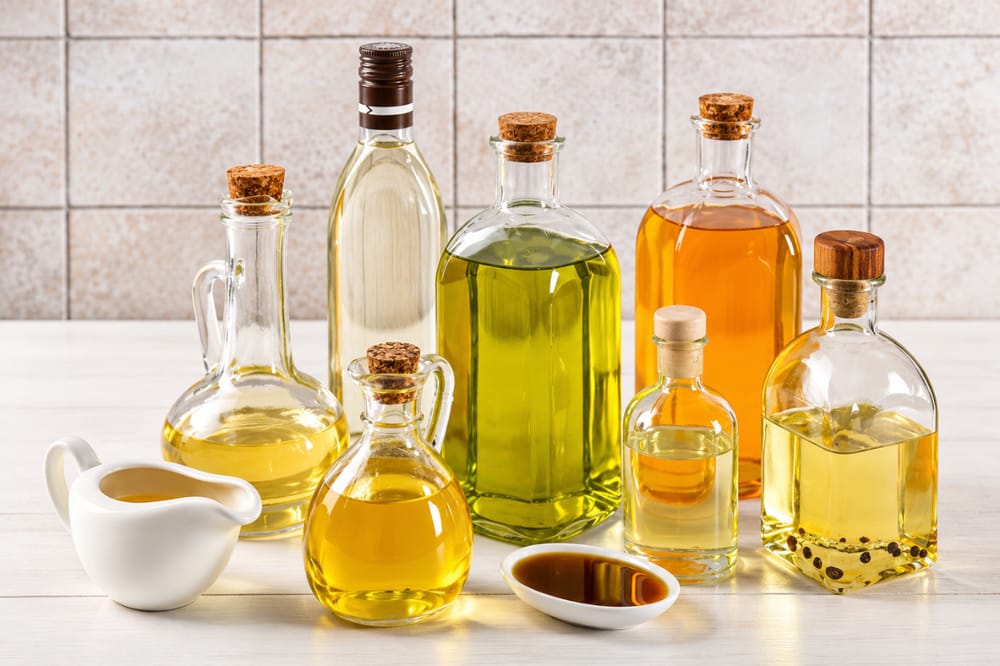
If you look at the cooking oils in a grocery store, you'll find quite a few choices.
Olive oil, avocado oil, coconut oil, canola oil, and sunflower oil are just some of them.
And although they can all be used in food preparation, they have different characteristics.
One important difference is their fat composition.
Some oils contain more saturated fats. Others contain more monounsaturated or polyunsaturated fats.
Those names describe differences in the structure of the fats.
And that structure can influence how easily they react with oxygen.
For example, oils containing larger amounts of polyunsaturated fats are generally more susceptible to oxidation under comparable heating conditions.
But fat composition isn't the only thing that matters.
The way an oil has been processed, its freshness, and certain natural compounds it contains can also influence how it behaves.
And then there's the cooking method itself.
You'll often see oils compared by their smoke points.
That's useful information, particularly when you're cooking at higher temperatures.
But smoke point only tells you when an oil begins producing visible smoke under particular conditions. It doesn't tell you everything about the chemical changes taking place.
So a higher smoke point doesn't automatically make an oil the better choice for every meal.
I'd begin with the kind of cooking you do most often.
If you usually make eggs, sauté vegetables, or prepare simple skillet dinners over low to medium heat, choose an oil suited to those temperatures.
Our Coco-Nuts Liquid Coconut is one option for that kind of everyday cooking.
It's easy to pour, stays liquid even in the refrigerator, and has a subtle, light, clean coconut taste that works nicely with many familiar ingredients.
For very hot searing or deep-frying, you'd want an oil intended for those higher-temperature methods instead.
The point isn't to find one oil that works for absolutely everything.
It's to understand what each oil is suited for and choose accordingly.
05. How Can You Tell When Cooking Oil Has Been Overheated?

One of the easiest warning signs to recognize is smoke.
If you've ever left oil heating in a skillet a little too long, you may have seen it begin to smoke before you added the food.
That's a sign the oil has become too hot for those cooking conditions.
When that happens, turn off the heat and let the pan cool safely. If the oil has been badly overheated or developed an unpleasant burnt smell, replace it
rather than continue cooking with it.
But smoke doesn't tell you everything.
An oil can begin undergoing chemical changes before it produces visible smoke.
So while smoke is a useful warning sign, it's not the exact point where oil suddenly starts changing.
And when you're cooking vegetables or other foods containing moisture, some of what you see rising from the skillet may simply be steam.
That's different from oil smoke.
With oil that's been used for prolonged or repeated frying, there are other signs worth paying attention to.
An unpleasant smell, unusual thickening, stickiness, or persistent foaming can suggest that the oil has deteriorated.
Its color may also change, although food particles and browning can affect that, too.
No single visible sign tells you everything about the oil's condition.
That's why managing the heat while you're cooking is more useful than waiting for the oil to start looking or smelling different.
06. What Does This Mean for Your Everyday Cooking?

Now that you know a little more about what happens when oil is heated, how can you put that knowledge to use?
I'd start with the way you prepare your usual meals.
Maybe you're making onions and peppers for dinner.
If you want them to soften slowly, you probably don't need a very hot skillet.
But if you're trying to brown something quickly, you'll be working with different cooking conditions.
The oil you choose should be suited to the method you're using.
And the heat should be enough to cook your food properly without being unnecessarily high.
There's also a simple habit that can help.
Get your ingredients ready before you start heating the oil.
It's easy to turn on the stove and then realize the vegetables still need chopping or you've forgotten to prepare something.
Meanwhile, the oil may be sitting in the pan getting hotter without helping you cook anything.
Preparing your ingredients first makes it easier to begin cooking when you're ready.
And when you're using oil that's already been heated, remember that cooling doesn't necessarily restore its original quality.
Oil kept hot for a long time or repeatedly used for frying has gone through different conditions from fresh oil used briefly in a skillet.
That's worth considering before using it again.
I wouldn't want you to turn all this into another complicated set of kitchen rules.
It's really about paying attention to three things you already have some control over: the oil you choose, the heat you use, and how long you keep it hot.
Those everyday decisions can help you use cooking oil more appropriately without changing the meals you enjoy.
07. Final Thoughts: Understanding the Heat You Use
Cooking oil changes when it's heated. That's part of cooking.
Some changes help it do its job, like becoming easier to spread across a warm skillet.
Others can gradually affect the oil's quality, particularly when it's exposed to higher temperatures or heated for long periods.
But the fact that an oil has been heated doesn't tell you everything about its condition.
You also need to consider how it was heated.
And I think that's the most useful lesson to take into your kitchen.
The next time you're choosing an oil or preparing a meal, think about what you're asking that oil to do.
A few minutes of gentle cooking and several rounds of high-temperature frying aren't the same thing.
Once you understand that difference, choosing and using your everyday cooking oil becomes a little easier.
The Oil You Cook With Matters.
08. Frequently Asked Questions
No. Oxidation and other chemical reactions can occur before an oil begins to smoke.
Smoke point is a useful warning about temperature, but it doesn't measure every change happening inside the oil.
That's why it's better to choose an oil suited to your cooking method rather than relying only on its smoke point.
Yes, it often does.
Food absorbs heat when it enters a hot pan, and moisture released during cooking can also affect the temperature.
As the food cooks and some of that moisture evaporates, the conditions can change again.
That's one reason the burner setting alone doesn't tell you exactly how hot the oil is.
Not always.
An unusual color, persistent foaming, stickiness, or an unpleasant smell may suggest deterioration, particularly in oil that's been used repeatedly for frying.
But some chemical changes aren't visible.
If oil has been badly overheated or shows clear signs of deterioration, it's better to replace it rather than continue using it.
Categorized under:

About the author
Lenny Gee from Coco-Nuts
Lenny Gee from Coco-Nuts
Lenny is the co-founder of Coco-Nuts. His approach starts with a simple belief: the oil you cook with matters. Though his blogs, he shares practical ideas about cooking oils, everyday meals, and simple kitchen upgrades that help home cooks make everyday cooking easier, lighter, and more enjoyable.
Keep Exploring the Kitchen
Keep Exploring the Kitchen

Liquid Coconut Oil vs MCT Oil: What's Different?
Both oils can come from coconuts and contain MCTs, but they're not always made for the same purpose. Discover how their composition and everyday uses compare, and what that means for your kitchen.
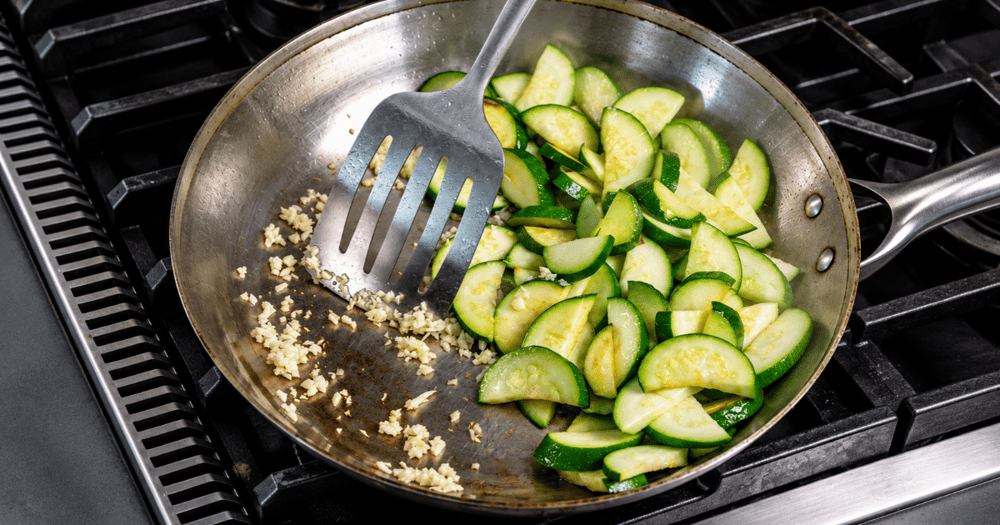
Best Oils for Medium-Heat Cooking
A good skillet meal starts with an oil that suits the way you cook. See how familiar cooking oils compare for medium heat, from flavor to everyday convenience.
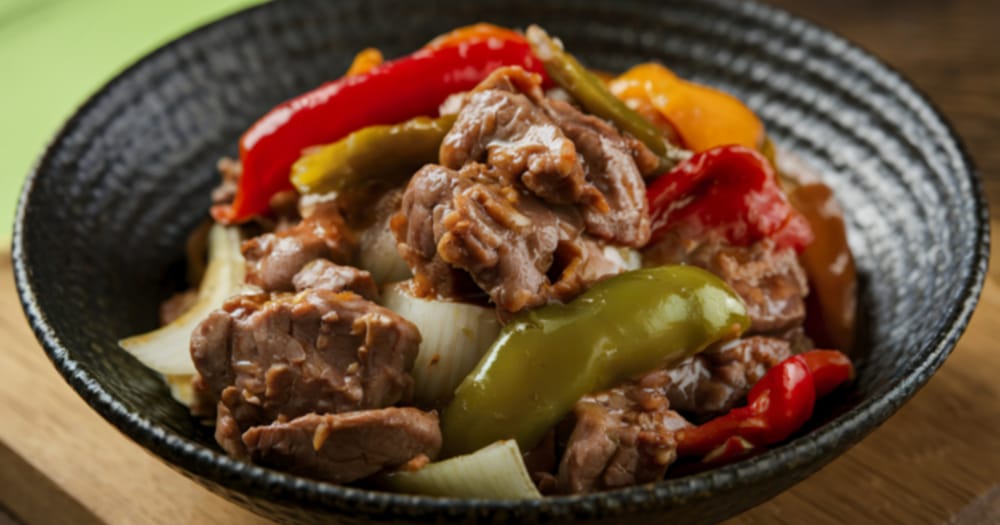
Pork Stir-Fry with Bell Peppers and Carrots
A quick pork stir-fry with colorful bell peppers, carrots, garlic, and a simple coconut aminos sauce for a fresh lunch or dinner.

Our Mission
To make better ingredient choices easier by creating thoughtful coconut products that replace conventional kitchen staples and fit naturally into the way people already cook.
Explore
© 2026 Coco-Nuts Inc. All rights reserved.
1520 55E Ave., Lachine, QC H8T 3J5, Canada

Ready to Upgrade the Way You Cook?
Join our FREE 7-Day Kitchen Upgrade Challenge and get one simple action each day to make cooking easier and everyday meals more enjoyable.
© 2026 Coco-Nuts Inc. All rights reserved.
1520 55E Ave., Lachine, QC H8T 3J5, Canada