

FREE 7-DAY CHALLENGE
Most People Never Realize Their Kitchen Habits Are Quietly Shaping Their Future
Join the free 7-Day Kitchen Upgrade Challenge and discover how small, intentional kitchen upgrades can quietly transform the way you cook, eat, and feel every day.

You'll get the free guide + simple daily upgrades delivered straight to your inbox.

Learn why the oil you cook with matters (and what most people miss)

Build healthier kitchen habits that actually fit real life

Make healthy cooking feel simpler, more enjoyable, and less overwhelming

Receive daily kitchen upgrades and practical tips in your inbox

Small kitchen upgrades can quietly transform the way you cook, eat, and feel every day.

The Oil You Cook With Matters.

FREE 7-DAY CHALLENGE
Most People Never Realize Their Kitchen Habits Are Quietly Shaping Their Future
Join the free 7-Day Kitchen Upgrade Challenge and discover how small, intentional kitchen upgrades can quietly transform the way you cook, eat, and feel every day.
You'll get the free guide + simple daily upgrades delivered straight to your inbox.
Learn why the oil you cook with matters (and what most people miss)
Build healthier kitchen habitsthat actually fit real life
Make healthy cooking feel simpler, more enjoyable, and less overwhelming
Receive daily kitchen upgrades and practical tips in your inbox
Small kitchen upgrades can quietly transform the way you cook, eat, and feel every day.
The Oil You Cook With Matters.
FREE 7-DAY KITCHEN UPGRADE CHALLENGE!

Saturday, November 07, 2026
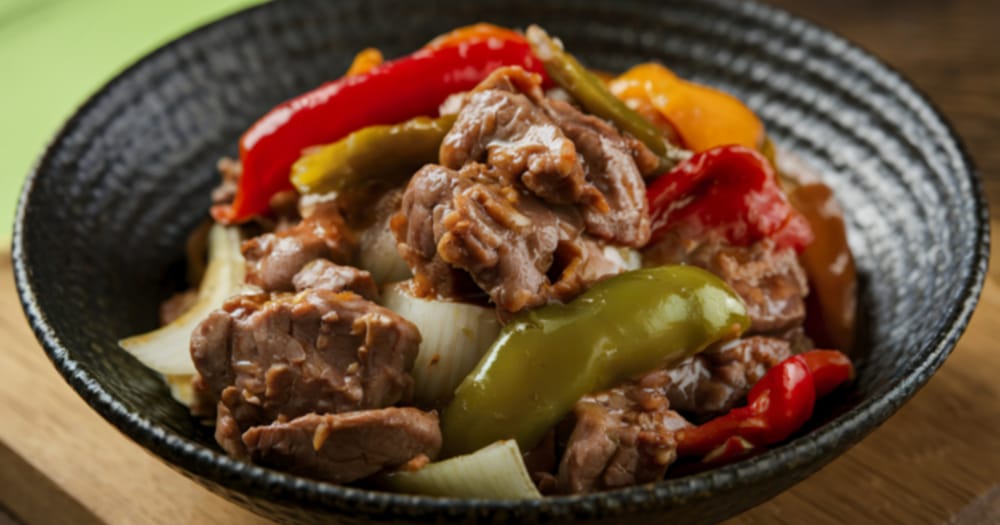
Pork Stir-Fry with Bell Peppers and Carrots
A quick pork stir-fry with colorful bell peppers, carrots, garlic, and a simple coconut aminos sauce for a fresh lunch or dinner.
Stir-fry sounds like one of those meals that should be easy.
And it is.
But it can also go wrong quickly.
The pork gets tough.
The vegetables go soft.
The sauce turns watery.
And somehow the whole pan tastes a little tired.
Most of the time, the problem is not the ingredients.
It is the order.
A good home stir-fry is really about control. Thin slices of pork need a little space in the pan so they can cook quickly without steaming. Vegetables need just enough time to soften, but not so much that they lose their bite. And the sauce should go in near the end, so it coats everything instead of boiling everything.
That is what makes this pork stir-fry a good everyday lunch.
It is colorful, simple, and quick. You get tender pork, sweet bell peppers, crisp carrot, garlic, coconut aminos, a little apple cider vinegar, and green onions on top.
Nothing complicated.
Just a warm pan, a few fresh ingredients, and a little attention to timing.
Liquid Coconut fits into this kind of recipe naturally because it helps the pork and vegetables cook smoothly without becoming the main flavor. It gives the pan what it needs, then lets the garlic, coconut aminos, vinegar, and vegetables do their work.
This is the kind of lunch I like because it feels fresh, but still satisfying.
And you do not need takeout to get there.

Why This Recipe Works
The main lesson with this pork stir-fry is simple: do not crowd the pan, and do not add the sauce too early.
Pork tenderloin cooks quickly when it is sliced thin. That is helpful, but it also means it can overcook quickly. If the pan is too crowded, the pork releases moisture and starts steaming instead of lightly browning. That can make it taste tougher than it should.
So the first step is giving the pork a little room.
Cook it until it is just browned and cooked through, then remove it from the pan.
That small step protects the texture.
Next come the vegetables. Bell peppers and carrots do not need a long cooking time here. You want them tender-crisp, not limp. A few minutes in the same pan is enough.
Then the pork goes back in with the coconut aminos, apple cider vinegar, and optional sesame oil.
That is when the sauce belongs.
At the end.
The sauce warms, coats, and brings the pan together without making the vegetables soggy.
So the flow is:
Pork first.
Vegetables second.
Sauce at the end.
Serve right away.
That is the difference between a stir-fry that feels fresh and one that feels heavy.
Why Liquid Coconut Works Here
Liquid Coconut works well in this recipe because it is used as the cooking fat for a quick, controlled stir-fry.
You are not deep-frying.
You are not trying to smoke the pan.
You are using steady heat to cook thin pork and tender-crisp vegetables.
That is a good place for Liquid Coconut.
It spreads easily in the pan, coats the pork and vegetables lightly, and helps everything cook without adding a heavy taste. The flavor stays light and quiet, so the sauce still leads.
You taste the garlic.
You taste the coconut aminos.
You taste the little brightness from the apple cider vinegar.
You taste the peppers and green onions.
Liquid Coconut just helps the meal come together.
One note I think matters: for a home stir-fry, you do not need extreme heat. Keep the pan hot enough to cook quickly, but not so hot that the oil smokes or the garlic burns. Controlled heat gives you a better result.
That is especially true for everyday cooking.

Pork Stir-Fry with Bell Peppers and Carrots
Make an easy pork stir-fry for a simple lunch or weeknight meal.

PREP TIME
10 mins

COOK TIME
15 mins

TOTAL TIME
25 mins

SERVES
3-4
Ingredients
- 2 tablespoons Liquid Coconut
- 1 lb pork tenderloin, sliced thin
- 1/2 red bell pepper, sliced
- 1/2 yellow bell pepper, sliced
- 1 carrot, julienned
- 2 cloves garlic, minced
- 1 tablespoon coconut aminos
- 1 tablespoon apple cider vinegar
- teaspoon sesame oil, optional
- Salt and pepper, to taste
- Green onions, chopped, for garnish
Optional garnish:
- Cauliflower rice
- Steamed rice
- Lettuce cups
- Extra green onions
- Chili flakes
Instructions
- Prepare the ingredients: Slice the pork tenderloin thinly. Slice the bell peppers, julienne the carrot, mince the garlic, and chop the green onions before you start cooking.
- Warm the pan: Place a large skillet or wok over medium heat. Add 1 tablespoon of Liquid Coconut and let it warm for a few seconds.
- Cook the pork: Add the sliced pork in a single layer as much as possible. Season lightly with salt and pepper. Cook for 5 to 6 minutes, stirring as needed, until browned and cooked through. If your pan is small, cook the pork in two batches.
- Remove the pork: Transfer the cooked pork to a plate and set it aside.
- Cook the vegetables: Add the remaining 1 tablespoon of Liquid Coconut to the same pan. Add the garlic, bell peppers, and carrot. Stir-fry for 3 to 4 minutes, until the vegetables are tender-crisp.
- Bring everything together: Return the pork to the pan. Add the coconut aminos, apple cider vinegar, and sesame oil if using.
- Coat and finish: Stir well and cook for another 2 to 3 minutes, just until everything is warm and lightly coated.
- Taste and season: Taste and adjust with salt, pepper, or a small splash more coconut aminos if needed.
- Serve: Garnish with chopped green onions and serve right away.
Cooking Tips
- Slice the pork thinly. Thin slices cook faster and stay more tender.
- Do not crowd the pan. If the pork is piled up, it will steam instead of brown. Cook in batches if needed.
- Keep the heat controlled. Stir-fry should be quick, but the pan does not need to smoke.
- Have everything ready before you start. This recipe moves fast once the pan is hot.
- Add garlic with the vegetables, not too early. Garlic can burn quickly if it sits alone in a hot pan.
- Add the sauce near the end. Coconut aminos and vinegar should coat the stir-fry, not boil the vegetables.
- Serve right away. Stir-fry is best when the vegetables still have a little bite.
- Use a wide pan if you do not have a wok. More surface area helps the pork and vegetables cook better.
Variations
- Pork and Broccoli Stir-Fry: Swap the bell peppers and carrot for small broccoli florets. Cook until bright green and tender-crisp.
- Spicy Pork Stir-Fry: Add chili flakes, sliced chili, or a small spoonful of chili paste with the sauce.
- Ginger Garlic Pork Stir-Fry: Add 1 teaspoon of grated fresh ginger with the garlic.
- Pork Lettuce Cups: Serve the stir-fry in butter lettuce or romaine leaves for a lighter lunch.
- Pork Cauliflower Rice Bowl: Serve over cauliflower rice for a low-carb meal.
- Pork and Mushroom Stir-Fry: Add sliced mushrooms and cook them before the bell peppers so they have time to release moisture.
- Sweeter Stir-Fry: Add a small drizzle of honey or maple syrup to the sauce if you want a slightly sweeter finish.
- Sesame-Free Version: Skip the sesame oil. The recipe still works well with Liquid Coconut, coconut aminos, vinegar, garlic, and green onions.
Storage / Meal Prep Notes
This pork stir-fry is best served fresh, but it also works well for simple meal prep.
Let leftovers cool completely, then store them in an airtight container in the fridge for up to 3 days.
To reheat, warm gently in a skillet over medium-low heat until heated through. Add a small splash of water or coconut aminos if the pan looks dry.
Avoid overheating the pork when reheating. Pork tenderloin is lean, so it can become dry if it cooks too long a second time.
For meal prep, you can slice the pork and vegetables ahead of time and store them separately in the fridge. That makes the actual cooking much faster.
If packing for lunch, keep the green onions separate and add them after reheating for a fresher finish.
Final Thoughts / What To Cook Next
This pork stir-fry is a good reminder that fast food does not have to mean rushed food.
You can make something quick and still keep it fresh.
The trick is not complicated.
Give the pork space.
Cook the vegetables briefly.
Add the sauce at the end.
Serve while everything still has life in it.
Liquid Coconut fits into that rhythm because it keeps the cooking simple. It helps the pork and vegetables move through the pan, supports controlled heat, and lets the sauce and fresh ingredients stay in charge.
That is the kind of everyday upgrade I like.
Small enough to repeat.
Useful enough to notice.
If you are looking for an easy lunch or weeknight dinner, try this pork stir-fry with Liquid Coconut and serve it with cauliflower rice, steamed rice, or lettuce cups.
You can get your Liquid Coconut right here at our SHOP
Next, try using it in chicken stir-fry, sautéed green beans, cauliflower rice, or a simple vegetable skillet.
FAQs
Pork tenderloin works well because it is lean and cooks quickly when sliced thin. Pork loin can also work if sliced thinly across the grain.
Slice it thin, do not crowd the pan, and avoid overcooking. Remove the pork from the pan once it is cooked through, then add it back at the end with the sauce.
Yes. Liquid Coconut works well for controlled, everyday stir-fry cooking. It helps coat the pan and cook the pork and vegetables without adding a heavy flavor.
No, not at all. The taste is subtle, light and clean, so the garlic, coconut aminos, vinegar, vegetables, and pork stay as the main flavors.
Use controlled medium heat or medium-high only if your stove and pan are not getting too hot. The goal is quick cooking without smoking the oil or burning the garlic.
Bell peppers, carrots, broccoli, snap peas, mushrooms, zucchini, cabbage, and green beans all work well.
Yes. Store leftovers in an airtight container in the fridge for up to 3 days. Reheat gently so the pork does not dry out.
Serve it with cauliflower rice, steamed rice, lettuce cups, sautéed greens, or a simple cucumber salad.
Yes. Serve it with cauliflower rice or lettuce cups instead of regular rice.
Yes. Sesame oil is optional. It adds a toasted flavor, but the recipe still works well without it.
Categorized under:

About the author
Lenny Gee from Coco-Nuts
Lenny Gee from Coco-Nuts
Lenny is the co-founder of Coco-Nuts. His approach starts with a simple belief: the oil you cook with matters. Though his blogs, he shares practical ideas about cooking oils, everyday meals, and simple kitchen upgrades that help home cooks make everyday cooking easier, lighter, and more enjoyable.


Our Mission
To make better ingredient choices easier by creating thoughtful coconut products that replace conventional kitchen staples and fit naturally into the way people already cook.
Explore
© 2026 Coco-Nuts Inc. All rights reserved.
1520 55E Ave., Lachine, QC H8T 3J5, Canada

Ready to Upgrade the Way You Cook?
Join our FREE 7-Day Kitchen Upgrade Challenge and get one simple action each day to make cooking easier and everyday meals more enjoyable.
© 2026 Coco-Nuts Inc. All rights reserved.
1520 55E Ave., Lachine, QC H8T 3J5, Canada