

FREE 7-DAY CHALLENGE
Most People Never Realize Their Kitchen Habits Are Quietly Shaping Their Future
Join the free 7-Day Kitchen Upgrade Challenge and discover how small, intentional kitchen upgrades can quietly transform the way you cook, eat, and feel every day.

You'll get the free guide + simple daily upgrades delivered straight to your inbox.

Learn why the oil you cook with matters (and what most people miss)

Build healthier kitchen habits that actually fit real life

Make healthy cooking feel simpler, more enjoyable, and less overwhelming

Receive daily kitchen upgrades and practical tips in your inbox

Small kitchen upgrades can quietly transform the way you cook, eat, and feel every day.

The Oil You Cook With Matters.

FREE 7-DAY CHALLENGE
Most People Never Realize Their Kitchen Habits Are Quietly Shaping Their Future
Join the free 7-Day Kitchen Upgrade Challenge and discover how small, intentional kitchen upgrades can quietly transform the way you cook, eat, and feel every day.
You'll get the free guide + simple daily upgrades delivered straight to your inbox.
Learn why the oil you cook with matters (and what most people miss)
Build healthier kitchen habitsthat actually fit real life
Make healthy cooking feel simpler, more enjoyable, and less overwhelming
Receive daily kitchen upgrades and practical tips in your inbox
Small kitchen upgrades can quietly transform the way you cook, eat, and feel every day.
The Oil You Cook With Matters.
FREE 7-DAY KITCHEN UPGRADE CHALLENGE!

Friday, November 20, 2026
Liquid Coconut Oil vs MCT Oil: What's Different?
Both oils can come from coconuts and contain MCTs, but they're not always made for the same purpose. Discover how their composition and everyday uses compare, and what that means for your kitchen.

Liquid coconut oil and MCT oil both contain medium-chain fats. But what's different about them, and can you use them for the same things? Let's look at what's inside each oil and how that affects everyday kitchen use.
Maybe you've seen someone add MCT oil to their morning coffee or blend it into a smoothie.
Then, while looking for a cooking oil, you come across something called liquid coconut oil.
Both can come from coconuts. Both contain medium-chain fats. And both stay liquid.
So are they really different?
I can understand why you might wonder about that. Especially when one bottle is sold alongside nutritional supplements and another is presented as an everyday cooking oil.
At first glance, they seem to have quite a bit in common.
And they do.
But there's a difference in how these oils are made and which fats end up inside the bottle.
There's also the practical question of what you want to use them for.
After all, adding a little oil to your coffee isn't quite the same as using it in a warm skillet to prepare dinner.
And that's where understanding the difference can help.

THE QUICK ANSWER
Conventional MCT oil is typically made from C8 and C10, or just C8. Coco-Nuts Liquid Coconut contains C6, C8, C10, and C12.
Liquid Coconut can be used in coffee, smoothies, dressings, and other everyday food preparations, just like MCT oil. But it's also designed for low-to-medium-heat cooking and suitable baking, and stays pourable even in the refrigerator.

In This Guide
01. Are Liquid Coconut Oil and MCT Oil the Same Thing?
02. What's Actually Inside These Oils?
03. Why Are Liquid Coconut Oil and MCT Oil Made Differently?
04. What Can You Use Liquid Coconut Oil and MCT Oil For?
05. What Difference Do Flavor and Convenience Make?
06. Which Oil Makes More Sense for Your Kitchen?
07. Final Thoughts: Choose the Oil for What You Make
08. Frequently Asked Questions
01. Are Liquid Coconut Oil and MCT Oil the Same Thing?
Not exactly, although they're closely related.
Both are made from oils that contain medium-chain fats, and coconut oil is one of the main sources used to produce them.
That's why the names can sometimes be confusing.
You may see products labeled MCT oil, fractionated coconut oil, or liquid coconut oil.
Some products behind those names are quite similar. But the name alone doesn't guarantee that the oils contain the same mixture of fats.
Think about it this way.
Two oils may come from coconuts and remain liquid, yet one may be made primarily from two selected fatty acids while the other retains a broader range of the medium-chain fatty acids found in coconut oil.
That's the difference we're going to look at.
And to make sense of it, we only need to understand a few simple things about coconut oil itself.
02. What's Actually Inside These Oils?
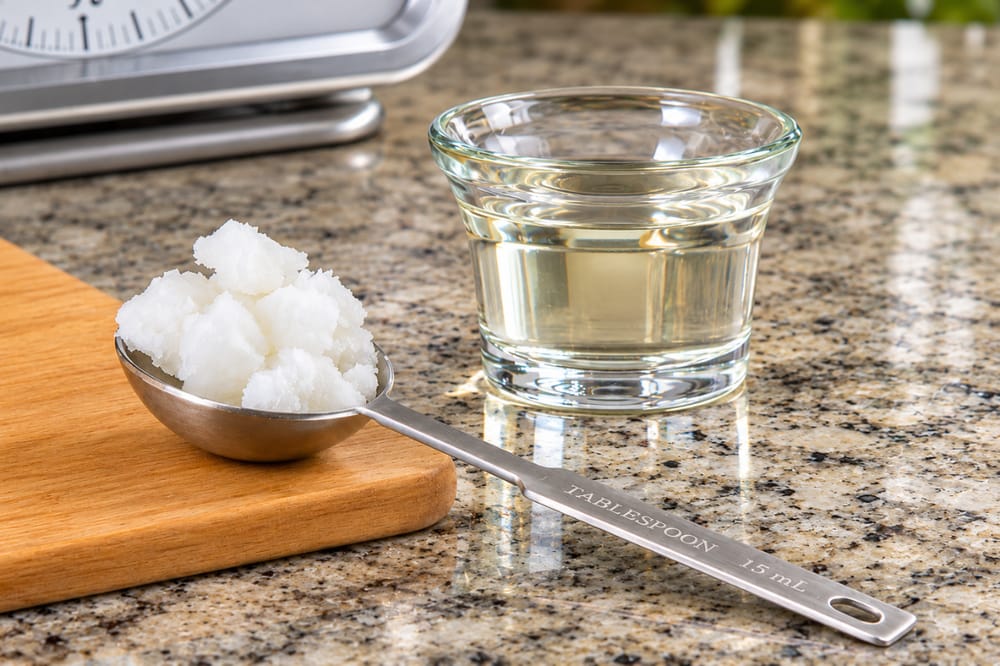
Coconut oil naturally contains several different kinds of fats.
Some have shorter fatty acid chains, while others have longer ones.
You may have noticed the names C8 and C10 on an MCT oil label. Those numbers simply refer to the length of the fatty acid chain.
For this comparison, there are four names worth knowing.
- C6 — Caproic acid
- C8 — Caprylic acid
- C10 — Capric acid
- C12 — Lauric acid
All four belong to the broader medium-chain fatty acid family.
And all four are naturally found in coconut oil.
But conventional MCT oil and Coco-Nuts Liquid Coconut don't necessarily contain them in the same combination.
Conventional MCT oil focuses on C8 and C10
Most conventional MCT oils are made with C8 and C10.
You'll often see those products described as a C8/C10 blend.
Some manufacturers also offer pure C8 MCT oil, which is made specifically with C8 rather than a combination of the two.
These oils are processed to concentrate those particular fatty acids.
But what happens to C12, which is naturally present in coconut oil?
That's an interesting part of the story.
Why C12 is usually separated
C12 is also known as lauric acid.
It's one of the major fatty acids found in virgin coconut oil.
But lauric acid isn't only used in food.
It's also an important raw material for making soaps, detergents, surfactants, and other products used in the personal-care and cleaning industries.
And because there's a strong commercial market for it, manufacturers have long had reasons to separate C12 from the other fatty acids in coconut oil.
Historically, C8 and C10 became useful ingredients for producing conventional MCT oil, while C12 had valuable uses of its own.
So the familiar C8/C10 formulation has roots in the way the coconut-processing industry uses different parts of the oil.
It wasn't simply a matter of deciding that coconut oil's other medium-chain fats had no value.
And that's what makes the composition of Coco-Nuts Liquid Coconut worth understanding.
Where Liquid Coconut is different
Coco-Nuts Liquid Coconut contains C6, C8, C10, and C12.
In other words, it retains all four medium-chain fatty acid types naturally found in coconut oil.
That gives it a different composition from conventional C8/C10 and pure C8 MCT oil formulations.
Here's a simple comparison.

According to our Coco-Nuts product specifications, Liquid Coconut contains 92.87% total MCTs.
That includes its broader medium-chain composition rather than only C8 and C10.
So when you see two bottles advertising a high MCT content, remember that they aren't necessarily describing the same mixture of fatty acids.
That's useful to know, especially if you're comparing a conventional C8/C10 supplement with a coconut-derived oil you want to use in your kitchen.
03. Why Are Liquid Coconut Oil and MCT Oil Made Differently?
There's another question that naturally follows.
If both oils can start with coconuts, how do they end up with different compositions?
The answer comes down to what gets separated and what gets kept during processing.
You've probably noticed that traditional coconut oil can become white and solid when the temperature drops.
That's perfectly normal.
Coconut oil contains different fats, and they don't all begin to solidify at exactly the same temperature.
This difference makes it possible to separate them.
Coco-Nuts Liquid Coconut is made through a process called fractionation.
The coconut oil is carefully cooled. As certain components begin to solidify, they're separated from the portion that remains liquid.
That liquid portion is retained.
The result is a coconut-derived oil with a different balance of fats, allowing it to remain liquid even when refrigerated.
Conventional C8/C10 MCT oil is generally made through more targeted separation and processing steps.
Manufacturers isolate the fatty acids they want, particularly C8 and C10, and use them to produce the finished MCT formulation.
That gives them greater control over the specific fatty acids included in the oil.
Both processes can begin with coconut-derived ingredients, but they don't necessarily produce the same finished product.
And once you understand that, the difference between the two bottles becomes easier to appreciate.
But composition is only part of the story.
What about actually using the oils?
04. What Can You Use Liquid Coconut Oil and MCT Oil For?

Let's start with the things many people already use MCT oil for.
Maybe you like adding a little to your coffee.
Or perhaps you use it in smoothies, homemade dressings, or as a drizzle over a finished meal.
Those are familiar ways to use conventional MCT oil.
And you can use Coco-Nuts Liquid Coconut for those same kinds of food and drink preparations.
So if you've been wondering whether Liquid Coconut can take the place of MCT oil in your coffee or smoothie, the answer is yes.
There will be a difference in flavor, though.
Many conventional C8/C10 MCT oils are very mild or nearly flavorless, while Liquid Coconut has a light, clean coconut taste.
That gentle coconut note can work nicely with coffee, chocolate, bananas, berries, and many other familiar ingredients.
But what if you also want to cook with the oil?
That's where another difference becomes useful.
MCT oil can be used for gentle cooking
You may have heard that MCT oil shouldn't be used for cooking.
But that's not quite right.
MCT oil can be used with heat, provided the temperature stays within a suitable range.
Conventional MCT oils commonly have smoke points around the low 300s Fahrenheit, with approximately 325–335°F often used as a general reference.
That means they can work in suitable gentle cooking applications.
But if you're planning to put a skillet over a much hotter burner, you need to be more careful.
Once an oil reaches its smoke point, it begins producing visible smoke. And that's not what you want happening while preparing your meal.
So the important thing isn't whether a bottle says MCT oil.
It's how hot the oil becomes while you're cooking.
Liquid Coconut goes beyond those familiar uses
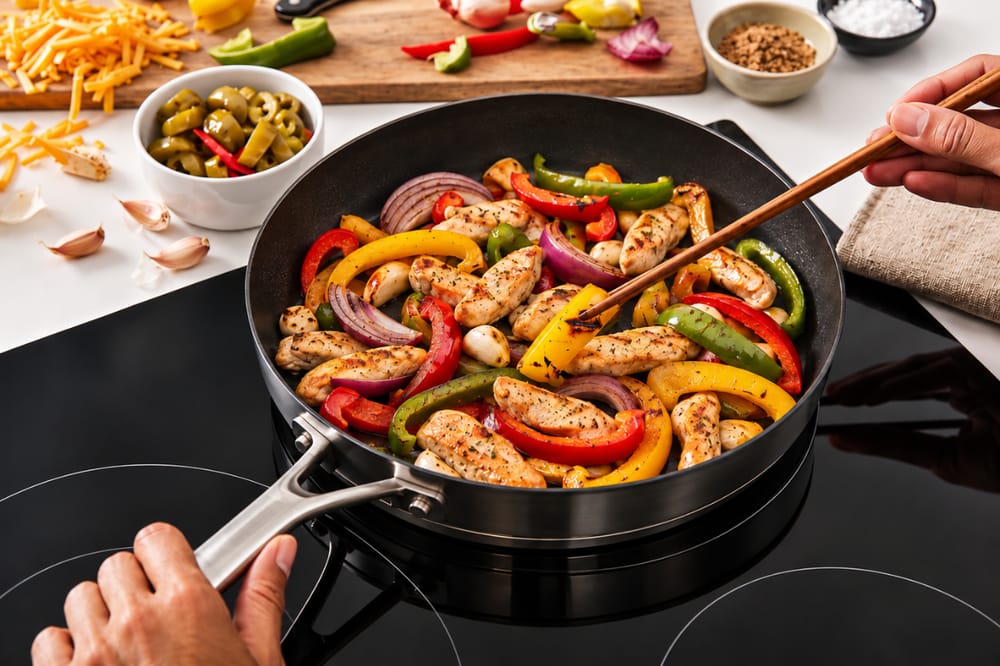
Now think about the other things you prepare during the week.
Maybe you're gently sautéing vegetables with garlic and herbs.
Or cooking eggs in a skillet, preparing a homemade marinade, or baking a batch of muffins.
These are all familiar kitchen jobs, and they don't necessarily require the same cooking temperature.
Coco-Nuts Liquid Coconut is designed for low-to-medium-heat cooking, with an approximate smoke-point range of 350–375°F.
That makes it useful for many everyday skillet meals, along with suitable baking, vegetable roasting, dressings, marinades, and finishing.
And you can still use it in your coffee, smoothies, and the other food preparations where people commonly reach for conventional MCT oil.
That's what I find particularly useful about the comparison.
You don't need to keep one coconut-derived oil only for your drinks and another for the everyday meals you prepare, provided Liquid Coconut suits the
cooking method.
It can work across both kinds of kitchen use.
There's also something else worth considering.
05. What Difference Do Flavor and Convenience Make?

Let's say you're preparing a homemade dressing with lemon juice, mustard, and fresh herbs.
You want the oil to mix easily with the other ingredients and complement their flavors.
A conventional C8/C10 MCT oil will generally bring very little flavor of its own.
Liquid Coconut gives you a gentle coconut note instead.
Neither choice is automatically right or wrong. It depends on the taste you're looking for.
Now imagine making enough dressing to keep some in the refrigerator for tomorrow.
With traditional virgin coconut oil, the fat can become solid when it's chilled.
That isn't a problem with Liquid Coconut.
It stays liquid, so you can take it out of the fridge and pour what you need.
The same convenience can help when you're measuring oil for baking or adding it to a smoothie.
And when that oil is also suited to the low-to-medium-heat meals you prepare, having one bottle for several kitchen jobs can make things simpler.
It's a small practical advantage, but those details start to matter when you use an ingredient regularly.
06. Which Oil Makes More Sense for Your Kitchen?
After looking at the different fats, the processing, and the ways each oil can be used, I'd bring the choice back to one question.
What do you actually want the oil to do?
If you're specifically looking for pure C8 or a particular C8/C10 blend, conventional MCT oil gives you that kind of formulation.
You may have your own reasons for choosing that composition.
But if you're looking for a coconut-derived oil to use throughout your regular kitchen routine, I'd think about the meals you make most often.
Maybe you enjoy adding oil to coffee or smoothies, but you also cook dinner regularly.
Perhaps you bake on the weekend or make your own salad dressings.
Liquid Coconut can fit into those familiar preparations while giving you a broader medium-chain fatty acid composition that includes C12.
And because it stays pourable and has a light coconut taste, it's easy to work into the recipes you already enjoy.
Of course, there will still be times when another cooking oil is more suitable, particularly for very high-temperature methods.
But for many everyday cooking tasks, you may find it convenient to have one coconut-derived oil that works in several different ways.
That's the difference I'd pay attention to.
Not which bottle has the biggest number on the label.
But which one fits what you actually do in your kitchen.
07. Final Thoughts: Choose the Oil for What You Make
There's a good reason liquid coconut oil and conventional MCT oil can seem so similar.
They share a coconut connection, contain medium-chain fats, and can be used in many of the same food preparations.
But conventional C8/C10 MCT oil concentrates particular fatty acids, while Coco-Nuts Liquid Coconut contains a broader mixture that includes C12.
And there's another difference that matters when you're deciding which one to bring home.
Think about what happens after you open the bottle.
Are you mostly adding a particular MCT formulation to drinks?
Or do you want an oil you can use for coffee, smoothies, dressings, baking, and familiar low-to-medium-heat meals?
Those two needs don't always lead to the same choice.
And that's really what I'd want you to remember.
The composition matters, but so does the way you cook.
You don't need to change your meals to make a more thoughtful choice about the oil you use.
The Oil You Cook With Matters.
08. Frequently Asked Questions
Not always.
Both terms are associated with oils made by separating or concentrating certain fats, and they can describe similar products.
But conventional MCT oil is generally formulated around C8 and C10, or pure C8, while Coco-Nuts Liquid Coconut contains C6, C8, C10, and C12.
Lauric acid (C12) has long been valuable to the soap, detergent, surfactant, and personal-care industries.
The commercial separation of coconut-derived fatty acids helped establish the conventional C8/C10 MCT oil category.
C8/C10 and pure C8 products are formulated around those selected fatty acids. Other oils marketed as MCT oil may have different compositions.
No. MCT oils can be made from coconut oil, palm kernel oil, or a combination of the two.
If the source matters to you, check the product's ingredients or manufacturer information.
Yes. Coco-Nuts Liquid Coconut can be added to coffee, smoothies, and other suitable foods in the same way conventional MCT oil is commonly used.
It has a light coconut taste rather than the nearly flavorless character of many C8/C10 products.
The two oils are not identical fatty acid formulations, so using one in a drink doesn't establish identical nutritional effects.
Conventional MCT oils are commonly described as having smoke points in the low 300s Fahrenheit. Around 325–335°F is a useful general estimate, although published values differ.
They can be used for suitable gentle cooking, but not high-temperature searing or deep-frying.
Coco-Nuts Liquid Coconut has an approximate smoke-point range of 350–375°F and is designed for low-to-medium-heat cooking.
Because an oil's consistency depends on its overall mixture of fats, not just the presence of one fatty acid.
During fractionation, components that begin to solidify are separated from the liquid portion.
The retained liquid has a different fat composition, allowing Coco-Nuts Liquid Coconut to remain pourable even in the refrigerator.
Categorized under:

About the author
Lenny Gee from Coco-Nuts
Lenny Gee from Coco-Nuts
Lenny is the co-founder of Coco-Nuts. His approach starts with a simple belief: the oil you cook with matters. Though his blogs, he shares practical ideas about cooking oils, everyday meals, and simple kitchen upgrades that help home cooks make everyday cooking easier, lighter, and more enjoyable.
Keep Exploring the Kitchen
Keep Exploring the Kitchen
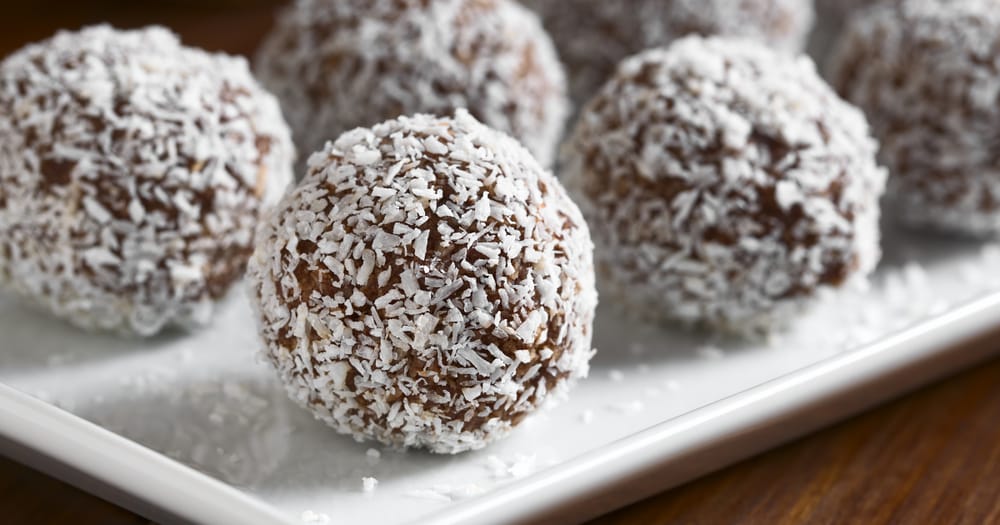
Chocolate Coconut Fat Bombs
A no-bake freezer snack made with cocoa, nut butter, chia seeds, shredded coconut, and Liquid Coconut for a rich little chocolate bite.
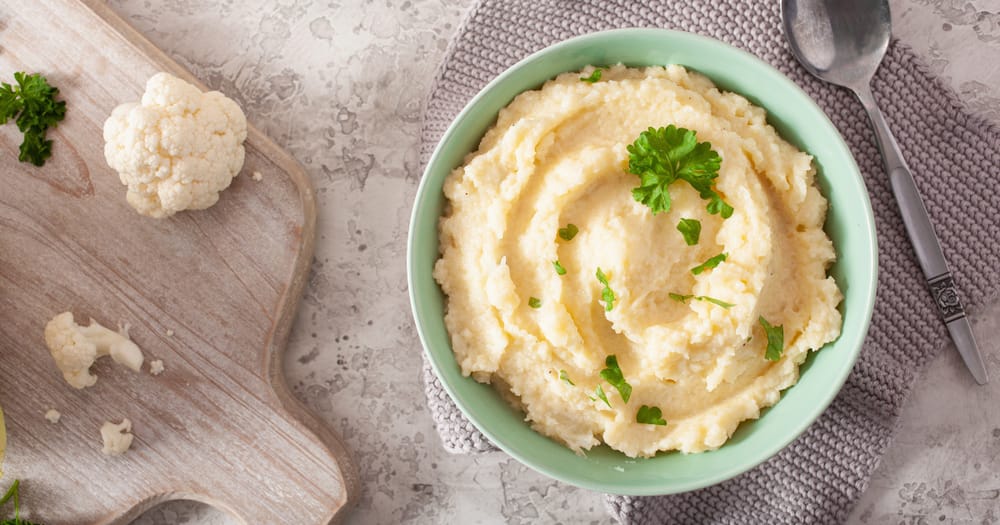
Creamy Mashed Cauliflower
A creamy low-carb side dish made with tender cauliflower, garlic, coconut cream, and Liquid Coconut for a smooth, comforting finish.

Choco-Banana Smoothie
A creamy chocolate banana smoothie made with cocoa, almond milk, banana, and Liquid Coconut for a smoother, more satisfying blend.

Our Mission
To make better ingredient choices easier by creating thoughtful coconut products that replace conventional kitchen staples and fit naturally into the way people already cook.
Explore
© 2026 Coco-Nuts Inc. All rights reserved.
1520 55E Ave., Lachine, QC H8T 3J5, Canada

Ready to Upgrade the Way You Cook?
Join our FREE 7-Day Kitchen Upgrade Challenge and get one simple action each day to make cooking easier and everyday meals more enjoyable.
© 2026 Coco-Nuts Inc. All rights reserved.
1520 55E Ave., Lachine, QC H8T 3J5, Canada