

FREE 7-DAY CHALLENGE
Most People Never Realize Their Kitchen Habits Are Quietly Shaping Their Future
Join the free 7-Day Kitchen Upgrade Challenge and discover how small, intentional kitchen upgrades can quietly transform the way you cook, eat, and feel every day.

You'll get the free guide + simple daily upgrades delivered straight to your inbox.

Learn why the oil you cook with matters (and what most people miss)

Build healthier kitchen habits that actually fit real life

Make healthy cooking feel simpler, more enjoyable, and less overwhelming

Receive daily kitchen upgrades and practical tips in your inbox

Small kitchen upgrades can quietly transform the way you cook, eat, and feel every day.

The Oil You Cook With Matters.

FREE 7-DAY CHALLENGE
Most People Never Realize Their Kitchen Habits Are Quietly Shaping Their Future
Join the free 7-Day Kitchen Upgrade Challenge and discover how small, intentional kitchen upgrades can quietly transform the way you cook, eat, and feel every day.
You'll get the free guide + simple daily upgrades delivered straight to your inbox.
Learn why the oil you cook with matters (and what most people miss)
Build healthier kitchen habitsthat actually fit real life
Make healthy cooking feel simpler, more enjoyable, and less overwhelming
Receive daily kitchen upgrades and practical tips in your inbox
Small kitchen upgrades can quietly transform the way you cook, eat, and feel every day.
The Oil You Cook With Matters.
FREE 7-DAY KITCHEN UPGRADE CHALLENGE!

Monday, November 02, 2026
Best Oils for Everyday Cooking: How to Choose
Not sure which cooking oil belongs in your kitchen? Discover how common oils compare and learn what really matters when choosing one for the meals you already love.
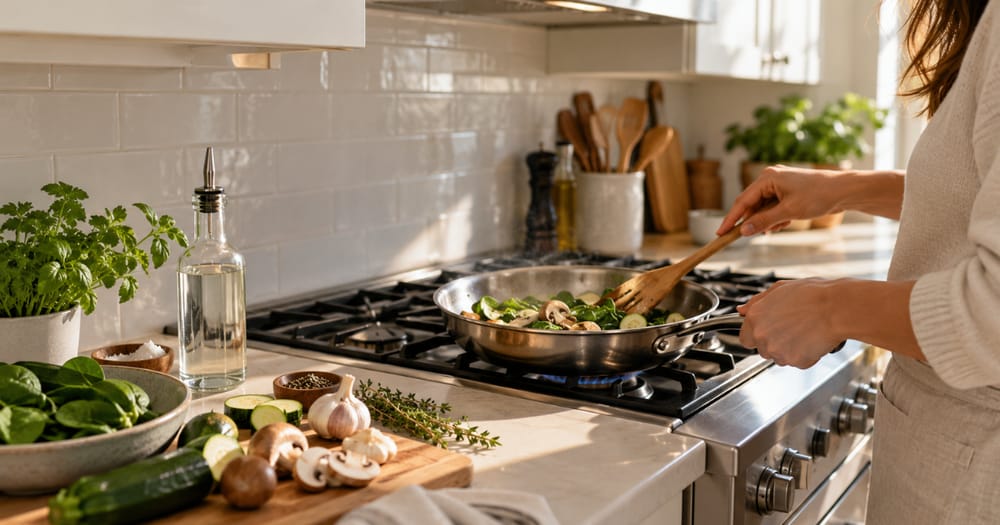
With so many cooking oils to choose from, how do you know which one belongs in your kitchen? Let's make sense of the options and find what works for the meals you love.
Have you ever stood in front of the cooking oils at the grocery store, wondering which one you should bring home?
There's olive oil, avocado oil, coconut oil, sunflower oil, and quite a few others. Each one seems to offer something different.
And if you've been trying to find the best oil for everyday cooking, all those choices can make a simple decision feel complicated.
But I'd like you to think about it a little differently.
Instead of asking which oil is the best overall, think about what you cook most often.
Are you usually making eggs for breakfast? Sautéing vegetables for dinner? Roasting something in the oven? Maybe you enjoy baking or putting together a homemade dressing.
Those everyday meals can tell you more about the oil you need than a long list of technical numbers.
The best everyday cooking oil is one that suits your usual cooking temperatures, tastes good with your food, and fits easily into your routine.
You may find that one oil works well for much of what you prepare. And for the occasional meal that needs something different, you can keep another on hand.
Let's look at the differences so you can make a choice that feels right for your kitchen.

THE QUICK ANSWER
Choose your everyday cooking oil around three things: the heat you use, the flavor you enjoy, and the meals you prepare regularly. An oil that suits several of your usual recipes can be more practical than one selected for a cooking method you rarely use.

In This Guide
01. How to Choose a Good Everyday Cooking Oil
02. Which Cooking Oil Is Best for the Meals You Make?
03. How Do Common Cooking Oils Compare?
04. Why Everyday Versatility Matters
05. A Simple Way to Choose Your Everyday Oil
06. Do You Need More Than One Cooking Oil?
07. Final Thoughts: Choose for the Kitchen You Actually Have
08. Frequently Asked Questions
01. How to Choose a Good Everyday Cooking Oil
Before comparing the different oils, there are a few things I'd encourage you to consider.
Start with the heat you normally use
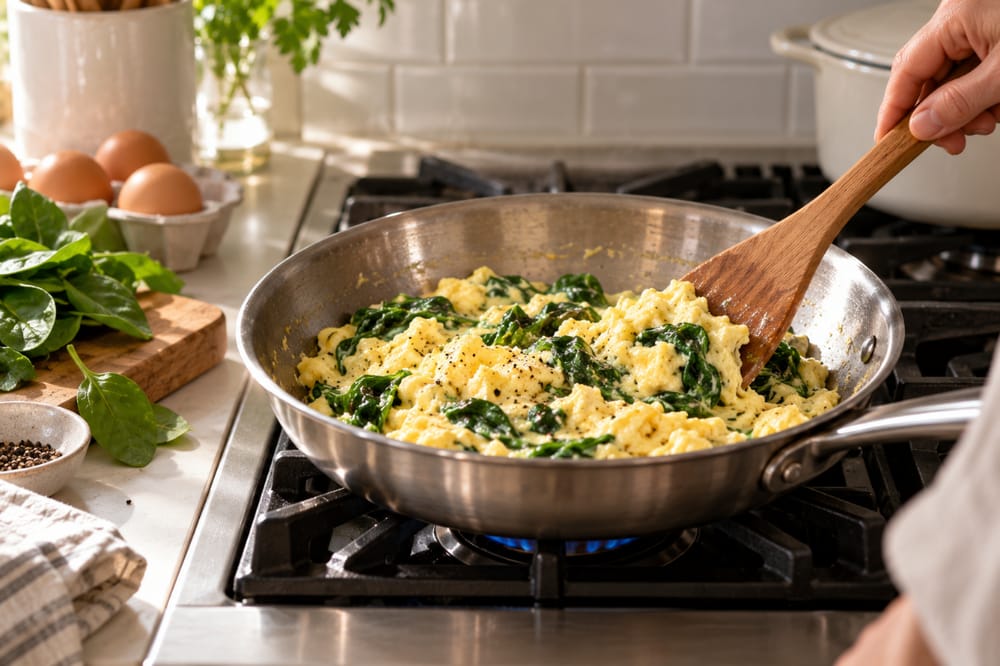
Think about making soft scrambled eggs.
You don't need a very hot pan. In fact, gentle heat usually gives you more control over the texture.
Now compare that with searing a steak or using a wok at a very high temperature. That's a different kind of cooking, and the oil needs to be suited to it.
This is why cooking temperature matters.
You'll often see an oil's smoke point mentioned when people compare cooking oils. It's the temperature at which an oil begins to produce visible smoke under testing conditions.
Knowing that can be helpful, especially for hotter cooking methods. But a higher smoke point doesn't automatically mean an oil is better for everything.
And the setting on your stove doesn't tell you the exact temperature of the oil in your pan.
If most of your meals involve eggs, sautéed vegetables, or gentle skillet cooking, you may not need an oil chosen primarily for extreme heat.
Liquid Coconut, for example, is intended for low-to-medium-heat cooking. That's the kind of cooking used for many familiar meals at home.
The more useful question is whether the oil suits the way you usually cook.
Think about the flavor you want
Have you noticed how some oils bring their own flavor to a dish?
Extra virgin olive oil, for example, can taste fruity, grassy, or peppery.
Virgin coconut oil usually has a more noticeable coconut flavor.
Other oils have gentler tastes, which can be useful when you want the ingredients themselves to stand out.
Take a simple plate of vegetables with garlic and herbs.
You might enjoy an oil that brings its own flavor, or you might prefer something that stays in the background.
Liquid Coconut has a subtle, light, clean coconut taste. It isn't flavorless, but it doesn't take over the meal.
That's worth knowing if you enjoy cooking with different herbs, seasonings, and ingredients but don't necessarily want a strong oil flavor in every dish.
Of course, flavor is personal.
What matters is finding something that complements the foods you enjoy.
Don't overlook convenience
Now imagine preparing a quick dinner.
You've washed and chopped your vegetables, the pan is ready, and you need a little oil.
It's nice to have something you can simply pick up and pour.
The same thing applies when you're measuring oil for muffins, mixing a salad dressing, or preparing a marinade.
Some oils, like conventional coconut oil, can become solid when they're cool. That may mean scooping or melting them before certain uses.
One difference worth knowing is that Liquid Coconut stays liquid even in the refrigerator.
So if you're baking or preparing a cold dressing, you can measure what you need without first waiting for the oil to melt.
It may seem like a small detail. But when you use an ingredient regularly, convenience starts to matter.
Cooking oils also differ in their ingredients, processing, and types of fat. If you have particular nutrition goals or ingredient preferences, those deserve consideration too. It's worth checking the individual product rather than assuming all oils are the same.
For now, let's take these ideas—heat, flavor, and convenience—and see how they apply to the meals you actually make.
02. Which Cooking Oil Is Best for the Meals You Make?
I think this is where the choice becomes much clearer.
Have a look at the meals below. You may recognize quite a few from your own week.
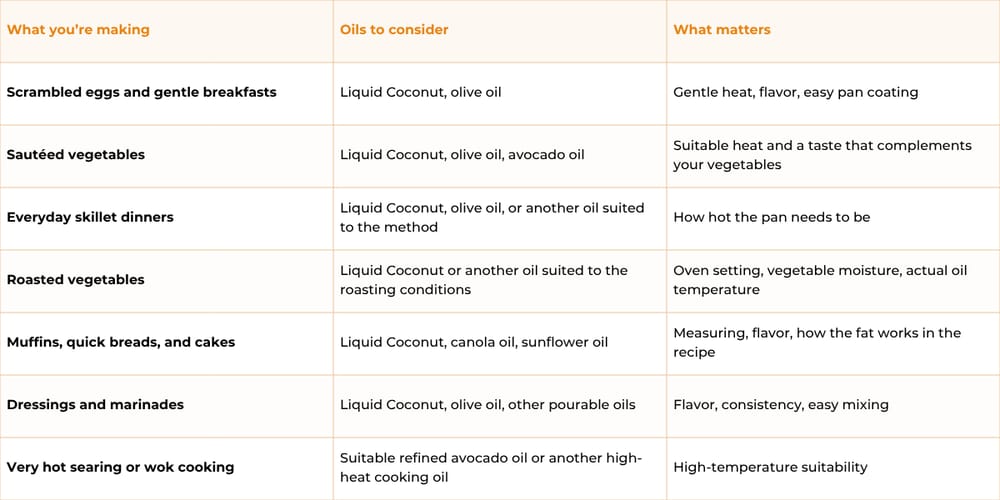
These are practical starting points. The particular oil, recipe, and cooking conditions still matter.
Let's look a little closer at a few of those meals.
Breakfast and sautéed vegetables

If you often make eggs or gently cook vegetables, you're probably familiar with the kind of cooking where a small amount of oil goes a long way.
You want it to coat the pan, complement your ingredients, and suit the heat you're using.
For these meals, you have several choices.
Olive oil can bring more noticeable flavor, depending on the type. Or you might prefer something gentler, such as Liquid Coconut, particularly when you're cooking with garlic, spinach, mushrooms, or fresh herbs.
Think about how you enjoy your eggs or vegetables.
If you want those ingredients to be the main attraction, the oil's flavor is worth considering alongside its cooking temperature.
Everyday skillet dinners
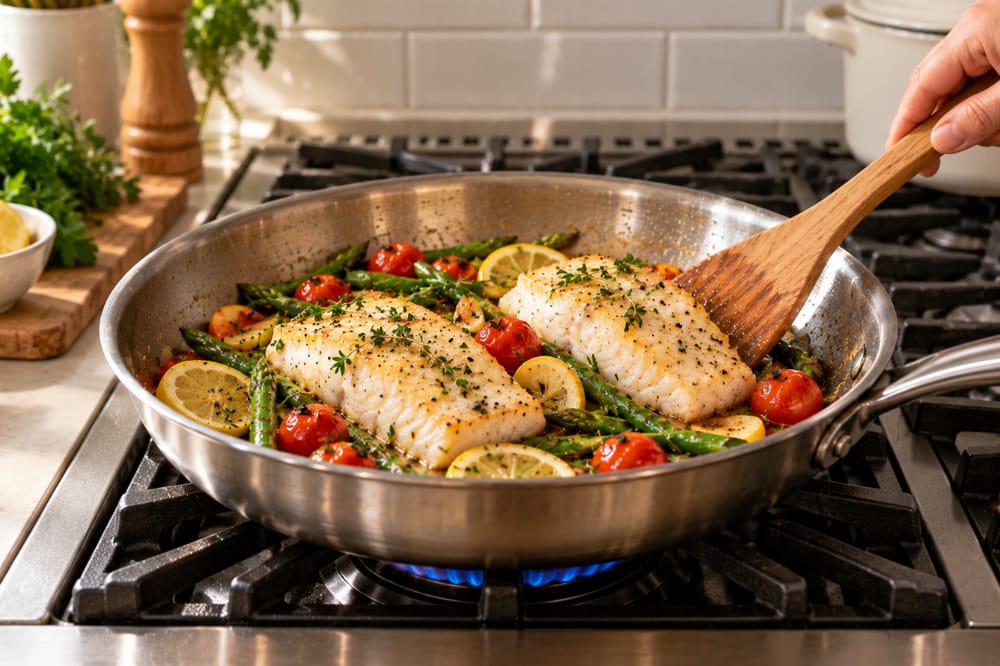
This one depends a little more on how you cook.
A gently cooked chicken or fish dish isn't the same as putting food into a smoking-hot skillet for a hard sear.
For a meal prepared at low or medium heat, you have more flexibility in choosing an oil. Liquid Coconut can work nicely here, especially when you're cooking with herbs, garlic, or vegetables and want those flavors to remain the focus.
But when the pan gets much hotter, you'll need an oil suited to those conditions.
Before adding oil to the pan, think about whether you're gently cooking the ingredients or trying to give them a strong, fast sear.
That small distinction can help you make a better choice without memorizing a long list of smoke points.
Roasted vegetables

Roasting is another everyday cooking method worth considering.
Think about tossing carrots, zucchini, cauliflower, or other vegetables with a little oil and seasoning before putting them in the oven.
You might set the oven to 375°F or 400°F, depending on what you're making.
But here's something interesting.
An oven set to 400°F doesn't mean the oil coating your vegetables automatically reaches 400°F.
The vegetables absorb heat, and the moisture inside them affects how hot their surfaces become. That's different from heating a layer of oil directly in a hot pan.
So an oven setting alone doesn't tell you whether an oil will be suitable for a particular roasting recipe.
Liquid Coconut can be used for roasting vegetables, and its pourable consistency makes it easy to coat them before cooking.
The important thing is to pay attention to the cooking conditions. Oil pooling on a baking sheet may get hotter than oil coating moist vegetables, particularly as the food dries and browns.
If the oil begins smoking or develops a burnt smell, it's being overheated and the cooking conditions need to change.
Broiling is different again, with much more intense heat coming from above. That calls for an oil and technique suited to those hotter conditions.
For everyday roasting, the useful habit is to consider the oven setting, the food you're cooking, and how the oil behaves—not the oven temperature alone.
Baking
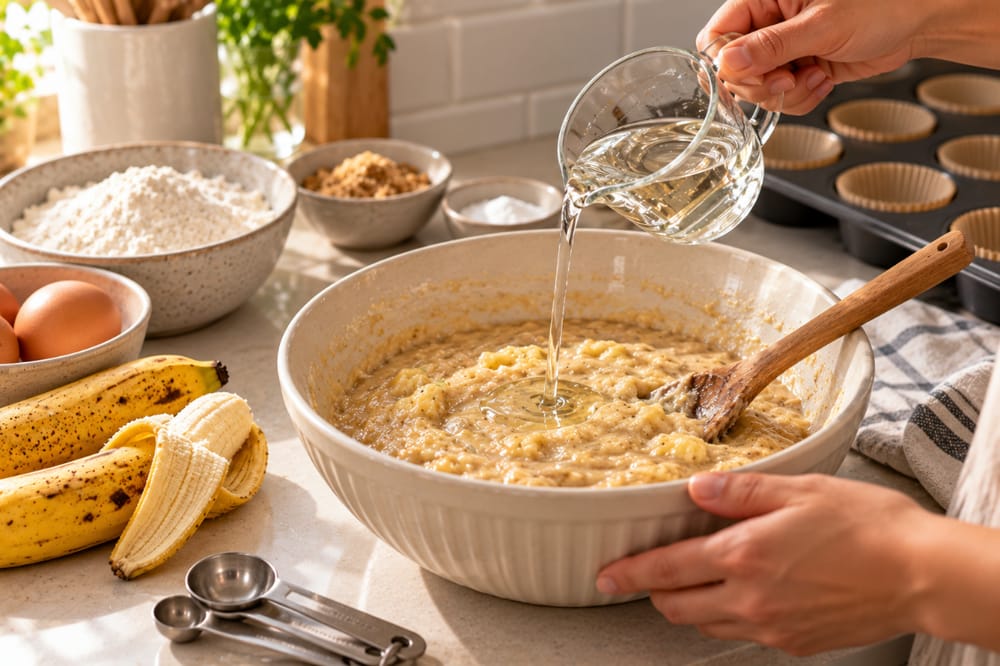
Here's another place where your choice of oil can make a real difference.
Think about the muffins, banana bread, brownies, or simple cakes you might make at home.
Many of these recipes use liquid oil or melted butter. Both are easy to mix into a batter, and oil can help keep baked goods tender and moist.
If you've ever had to melt solid coconut oil before baking, you'll understand why having an oil that's already liquid can be convenient.
Liquid Coconut is easy to measure straight from the bottle, and its subtle coconut taste works nicely with ingredients like chocolate, banana, vanilla, and warm spices.
It can also replace butter in many suitable baking recipes.
When the recipe allows the swap, you can use Liquid Coconut as a 1:1 replacement for butter by volume.
If your brownie recipe calls for half a cup of melted butter, for example, you can start with half a cup of Liquid Coconut.
That can also work in muffins, quick breads, and simple cakes where melted butter is mixed into the batter.
But not every butter-based recipe works that way.
If you're making a flaky pie crust or a cake that starts by beating solid butter and sugar until fluffy, the butter is doing something liquid oil can't reproduce in quite the same way.
And even when the swap works, you may notice a difference in the finished flavor or texture.
So before replacing butter, take a quick look at how the recipe uses it.
Dressings and marinades
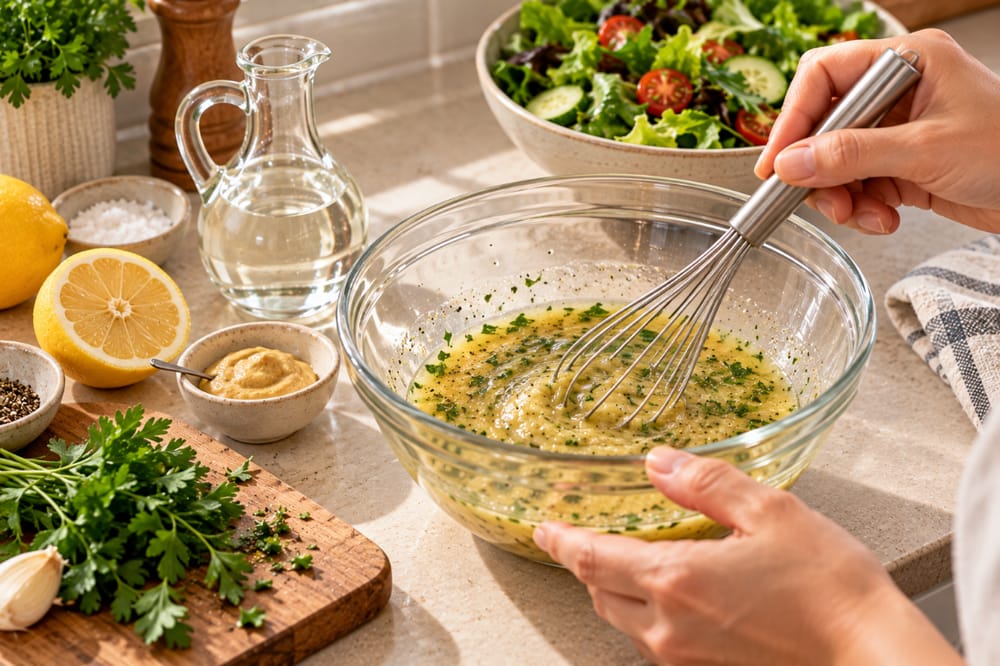
You don't need heat to make good use of cooking oil.
Maybe you enjoy making a simple dressing with vinegar, lemon juice, herbs, or mustard.
Or perhaps you prepare a marinade and leave it in the fridge until you're ready to cook.
Here, flavor and consistency become especially important.
Olive oil brings a distinctive taste to many dressings. Other oils offer a gentler flavor, which may suit different ingredients.
And if you've ever used an oil that becomes solid in the refrigerator, you'll know that cold preparations can bring their own little inconveniences.
An oil that stays liquid when chilled, like Liquid Coconut, is useful when you want to prepare something ahead of time without having to warm the oil first.
Of course, a dressing can still separate, depending on the ingredients. A quick shake or whisk is often all it needs.
03. How Do Common Cooking Oils Compare?
Now that we've looked at how you cook, let's put the main oils side by side.
You'll notice that each one offers something a little different.

The exact flavor, composition, and heat suitability of an oil depend on the product and how it's processed.
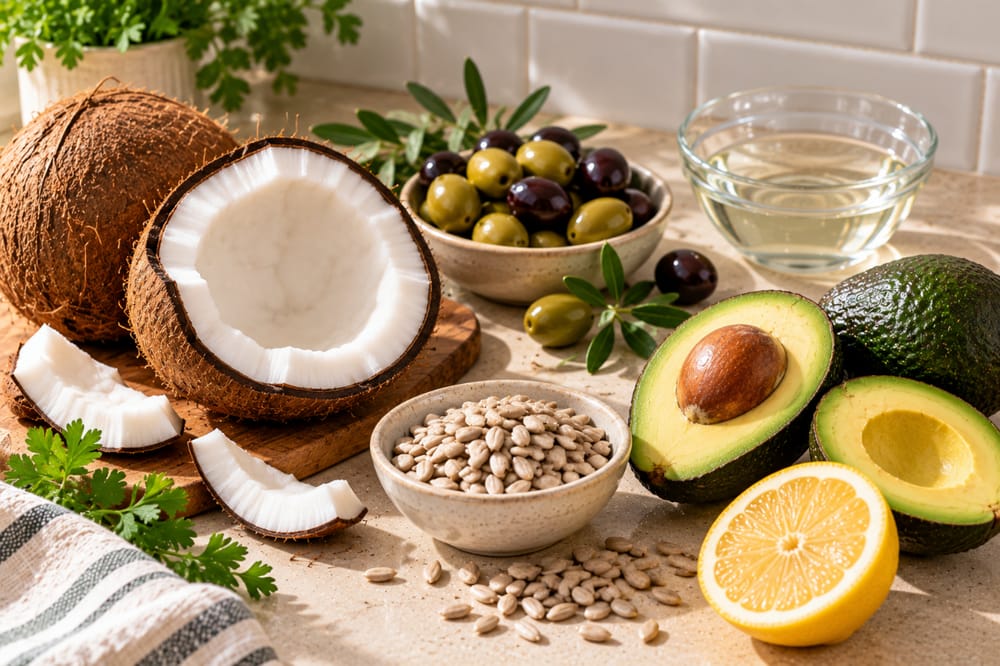
Looking at this table, you can start to see why different oils have different roles.
A suitable refined avocado oil can be useful when you're cooking at higher temperatures.
Olive oil may be just what you're looking for when you enjoy its particular flavor.
Canola and sunflower oils are familiar ingredients in many baking and cooking recipes.
And if you enjoy a more noticeable coconut taste, traditional virgin coconut oil can be lovely in the right dish.
But if you're looking for one oil to use regularly, I'd pay attention to something else too.
How many of the meals you already cook could you prepare with the same bottle?
04. Why Everyday Versatility Matters

Think about how often you use cooking oil for something other than frying or sautéing.
You might measure it for banana bread, toss vegetables before roasting, whisk together a dressing, or prepare a marinade for dinner.
An oil that fits several of those jobs can make your kitchen routine simpler.
That's where things like flavor and consistency come together. A gentle taste helps an oil work with different ingredients, while an easy-to-pour consistency makes measuring and mixing convenient.
Liquid Coconut combines those practical qualities with uses that extend beyond the frying pan.
And that might be worth thinking about the next time you're choosing an oil for your kitchen.
If you'd like to learn more about this particular option, you can explore Coco-Nuts Liquid Coconut.
05. A Simple Way to Choose Your Everyday Oil
Before you decide what to buy, I have a little exercise for you.
Think about the last three meals you prepared at home.
They don't need to be anything special.
Maybe you had scrambled eggs with spinach for breakfast, sautéed vegetables with dinner, and a tray of roasted vegetables another evening.
Now think about those three meals for a moment.
How much heat did you use?
If they're mostly gentle or medium-heat meals, that's a useful clue about the kind of oil you'll reach for most often.
What flavors do you enjoy?
Do you want your oil to bring a noticeable taste, or would you prefer something gentler that lets the other ingredients stand out?
Could the same oil work for other things you make?
Think about your baking, dressings, or marinades.
An oil that suits those uses, as well as your regular cooking, may be more convenient than keeping a separate bottle for every task.

THE THREE-MEAL CHECK
Choose three meals you make regularly. Look at the heat they need, the flavors you enjoy, and how you use oil in preparing them.
Then choose your everyday oil around those meals—not a cooking method you rarely use.
It's a small exercise, but it gives you a practical answer based on your own routine.
06. Do You Need More Than One Cooking Oil?
You might. But you probably don't need as many as the grocery-store shelf suggests.
I'd start with an oil that works for most of your regular cooking.
Then, if you enjoy very high-heat searing, wok cooking, or another method that needs different conditions, keep a suitable oil for that.
You may also want a more distinctive oil for a particular recipe or flavor.
That's perfectly fine.
The goal isn't to use one oil for absolutely everything.
It's to find a good everyday choice and understand when something different makes sense.
07. Final Thoughts: Choose for the Kitchen You Actually Have
If there's one thing I'd like you to take away from this guide, it's that choosing a cooking oil doesn't need to be difficult.
You don't have to memorize every smoke point or understand every processing method before making dinner.
Start with the meals you already cook.
Think about the heat, the flavor, and how the oil fits into your routine.
You may find that one oil works well for many of your everyday needs, from breakfast and vegetables to baking and dressings.
And if another method calls for something different, you'll know why.
That's what matters to me: helping you feel more confident about the ingredients you use, without making cooking more complicated than it needs to be.
After all, we use cooking oil in so many familiar meals. It's worth giving that everyday ingredient a little thought.
The Oil You Cook With Matters.
08. Frequently Asked Questions
The best everyday cooking oil depends on your regular meals, cooking temperatures, and flavor preferences. Look for one that suits several of the dishes you prepare most often. Liquid Coconut, for example, can be useful across suitable low-to-medium-heat cooking, roasting, baking, and cold preparations.
Sometimes. The oil coating vegetables doesn't necessarily reach the temperature of the oven air because the food and its moisture absorb heat. But oil pooling on the baking sheet can become hotter, particularly as the food dries, so the cooking conditions still matter.
Yes. In suitable baking recipes, you can use Liquid Coconut as a 1:1 replacement for butter by volume.
For example, if your recipe calls for half a cup of melted butter, you can start with half a cup of Liquid Coconut.
This can work well in muffins, quick breads, brownies, and simple cakes that use melted butter. Recipes that depend on solid butter for creaming or flaky layers aren't straightforward swaps, and the finished flavor or texture may differ.
No. A higher smoke point can be useful for hotter methods, but it doesn't automatically make an oil better for every meal. The cooking temperature, type of oil, and flavor you're looking for all matter.
It has a subtle, light, clean coconut taste. It's not flavorless, but the coconut note doesn't take over familiar sweet or savory dishes.
Categorized under:

About the author
Lenny Gee from Coco-Nuts
Lenny Gee from Coco-Nuts
Lenny is the co-founder of Coco-Nuts. His approach starts with a simple belief: the oil you cook with matters. Though his blogs, he shares practical ideas about cooking oils, everyday meals, and simple kitchen upgrades that help home cooks make everyday cooking easier, lighter, and more enjoyable.
Keep Exploring the Kitchen
Keep Exploring the Kitchen
Pork Stir-Fry with Bell Peppers and Carrots
A quick pork stir-fry with colorful bell peppers, carrots, garlic, and a simple coconut aminos sauce for a fresh lunch or dinner.
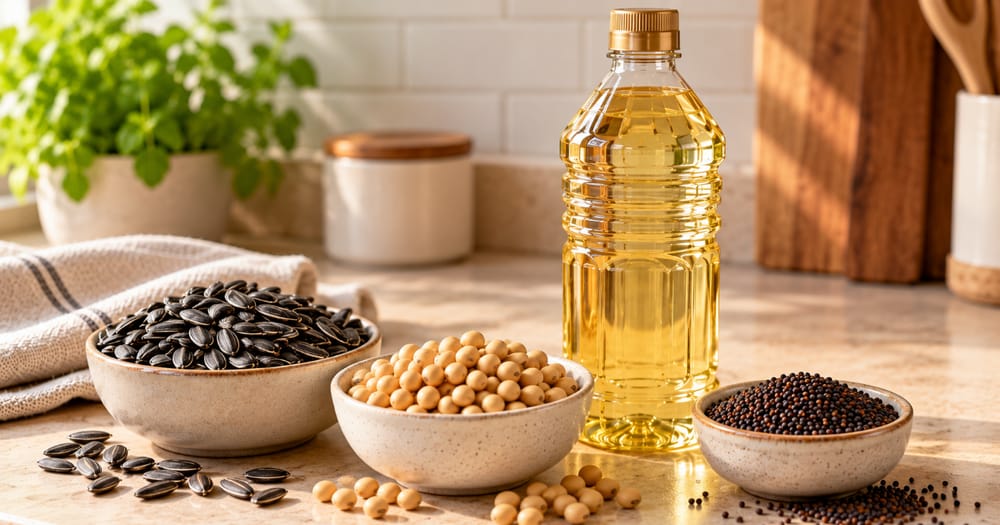
What Are Seed Oils? A Simple Guide
Seed oils are part of many familiar foods, but they're not all alike. Learn which oils belong to this group, how they're made, and what to consider when choosing the oil you cook with.
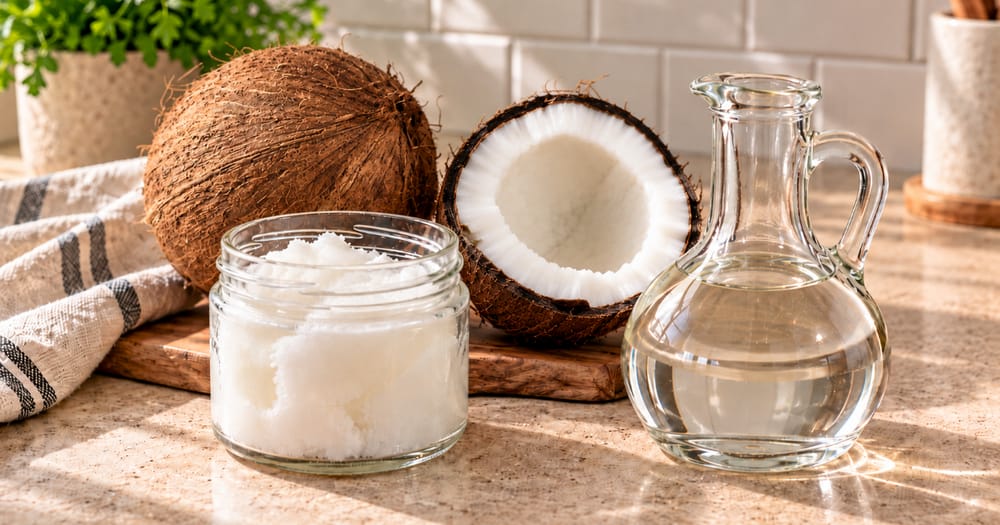
What Is Liquid Coconut Oil? Why It Stays Liquid
Regular coconut oil can turn solid when it's cool. So how does Liquid Coconut stay pourable even in the fridge? Discover what's different, how it works, and why it can make everyday cooking easier.

Our Mission
To make better ingredient choices easier by creating thoughtful coconut products that replace conventional kitchen staples and fit naturally into the way people already cook.
Explore
© 2026 Coco-Nuts Inc. All rights reserved.
1520 55E Ave., Lachine, QC H8T 3J5, Canada

Ready to Upgrade the Way You Cook?
Join our FREE 7-Day Kitchen Upgrade Challenge and get one simple action each day to make cooking easier and everyday meals more enjoyable.
© 2026 Coco-Nuts Inc. All rights reserved.
1520 55E Ave., Lachine, QC H8T 3J5, Canada