

FREE 7-DAY CHALLENGE
Most People Never Realize Their Kitchen Habits Are Quietly Shaping Their Future
Join the free 7-Day Kitchen Upgrade Challenge and discover how small, intentional kitchen upgrades can quietly transform the way you cook, eat, and feel every day.

You'll get the free guide + simple daily upgrades delivered straight to your inbox.

Learn why the oil you cook with matters (and what most people miss)

Build healthier kitchen habits that actually fit real life

Make healthy cooking feel simpler, more enjoyable, and less overwhelming

Receive daily kitchen upgrades and practical tips in your inbox

Small kitchen upgrades can quietly transform the way you cook, eat, and feel every day.

The Oil You Cook With Matters.

FREE 7-DAY CHALLENGE
Most People Never Realize Their Kitchen Habits Are Quietly Shaping Their Future
Join the free 7-Day Kitchen Upgrade Challenge and discover how small, intentional kitchen upgrades can quietly transform the way you cook, eat, and feel every day.
You'll get the free guide + simple daily upgrades delivered straight to your inbox.
Learn why the oil you cook with matters (and what most people miss)
Build healthier kitchen habitsthat actually fit real life
Make healthy cooking feel simpler, more enjoyable, and less overwhelming
Receive daily kitchen upgrades and practical tips in your inbox
Small kitchen upgrades can quietly transform the way you cook, eat, and feel every day.
The Oil You Cook With Matters.
FREE 7-DAY KITCHEN UPGRADE CHALLENGE!

Wednesday, November 25, 2026
What's the Best Oil for Cooking Eggs?
Soft scrambled eggs or fried eggs with golden, crisp edges? See how different cooking oils and fats work in the pan and choose what fits your breakfast.
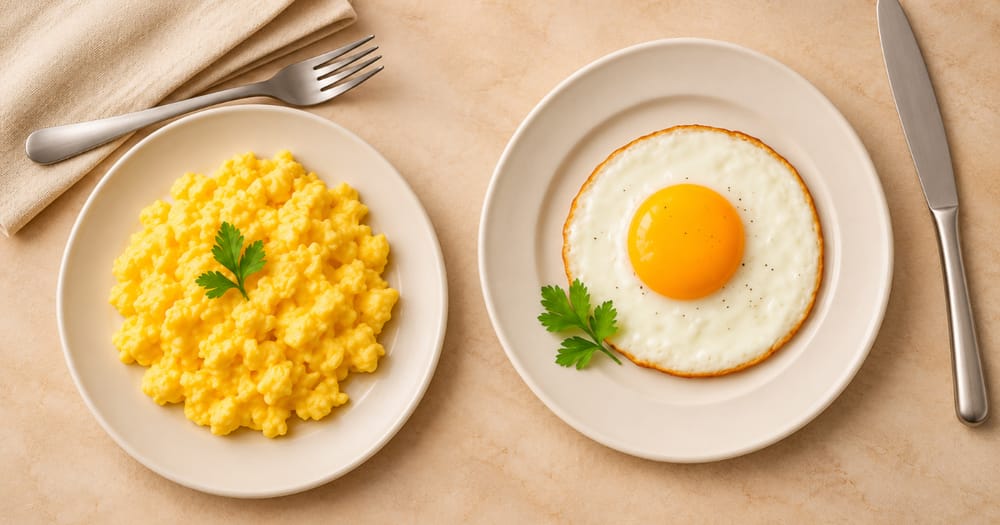
Whether you like your eggs softly scrambled or fried with golden, crisp edges, the oil or fat you use can make a difference. Let's look at the options and find what works for the eggs you enjoy.
Maybe you like your scrambled eggs soft and tender. Or perhaps you prefer a fried egg with a golden bottom and a little crispness around the edges.
Both start with the same ingredient, but they don't cook quite the same way. A gentle scramble doesn't need the heat that helps a fried egg develop those browned edges.
And that's where the oil or fat you use becomes part of the decision.
Butter is a familiar favorite, but olive oil, avocado oil, ghee, beef tallow, and coconut-derived oils can all work for eggs. They differ in how they handle heat, the flavor they bring, and how easily they fit into your everyday cooking.
It helps to understand those differences before deciding what to put in the pan.

THE QUICK ANSWER
For soft scrambled eggs, butter, Liquid Coconut, and olive oil are all suitable choices when cooking gently. For fried eggs, Liquid Coconut, olive oil, ghee, and other suitable oils can work, including when you want some golden, crisp edges. The heat and cooking method matter most.

In This Guide
01. Why Does Cooking Oil Matter for Eggs?
02. Which Cooking Oils and Fats Work Well for Eggs?
03. What's the Best Cooking Oil for Scrambled Eggs?
04. What's the Best Cooking Oil for Fried Eggs?
05. What Matters Besides the Cooking Oil?
06. How Should You Choose an Oil for Your Next Breakfast?
07. Final Thoughts: Start With the Eggs You Enjoy
08. Frequently Asked Questions
01. Why Does Cooking Oil Matter for Eggs?
Think about what happens when you crack an egg into a skillet.
The egg touches the hot surface and begins to set. If there's a little butter or oil in the pan, that fat helps coat the cooking surface and can make it easier to move the egg as it cooks.
Some cooking fats also bring their own flavor.
Butter gives eggs a familiar richness. Olive oil can bring a fruity or peppery note. And beef tallow has a savory character that can be especially noticeable in a simple fried egg.
When you're cooking something as simple as eggs, those differences can matter.
The oil or fat also helps transfer heat from the pan to the egg's surface. How hot it gets, along with how long the egg cooks, can affect whether the edges stay tender or become browned and crisp.
But I wouldn't give the oil all the credit for the finished result.
The heat, the pan, and how long you cook the eggs matter too.
You can use a good cooking oil and still end up with dry scrambled eggs if the pan gets too hot or the eggs stay on the heat too long.
And more than one kind of oil can give you a beautifully cooked fried egg.
The useful question is how each cooking oil or fat works with the eggs you're making.
02. Which Cooking Oils and Fats Work Well for Eggs?
You have more choices than you might think.
Here are seven that are worth considering, along with how they can fit into the way you cook your eggs.
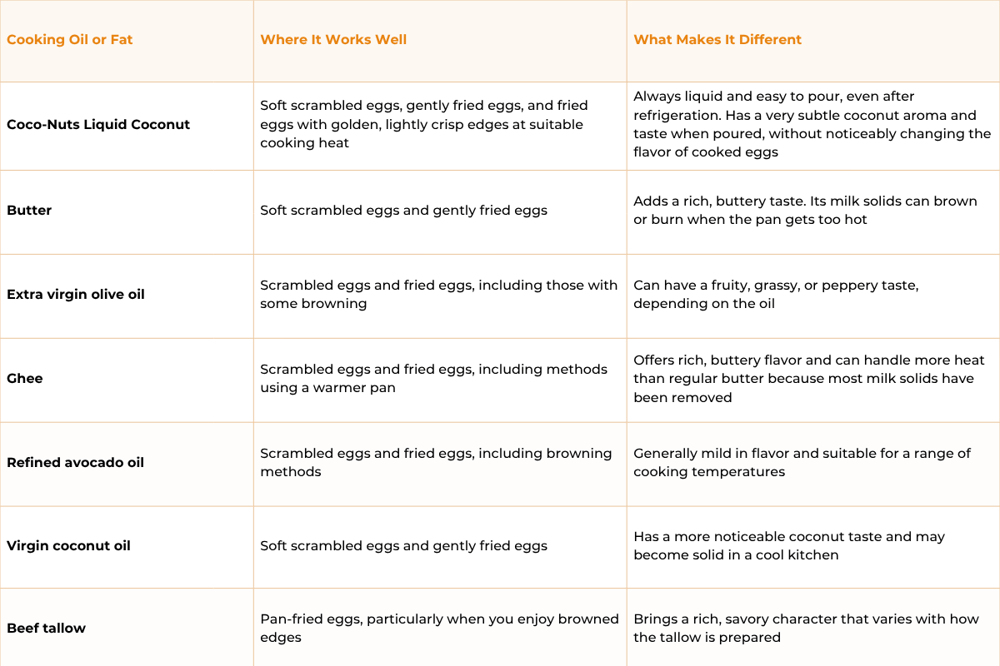
The choices become easier to weigh when you look at scrambled and fried eggs separately.
03. What's the Best Cooking Oil for Scrambled Eggs?
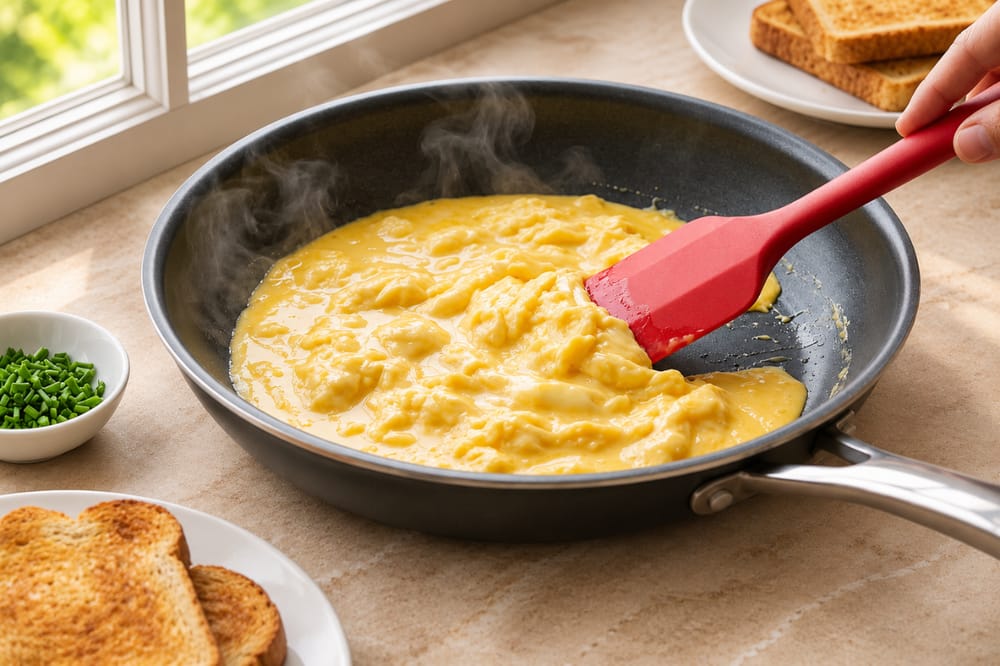
If you like your scrambled eggs soft and tender, I'd pay attention to the heat before worrying too much about which oil or fat to use.
Scrambled eggs set as they cook. Gentle heat gives you more time to move them around the pan so the curds can stay tender instead of becoming firm and dry too quickly.
Soft doesn't have to mean undercooked. The eggs can be fully set and still tender.
That gentle cooking gives you several suitable oils and fats to choose from.
Butter melts into the skillet and gives scrambled eggs a rich, familiar taste. Extra virgin olive oil works well too, although its flavor may be mild or more fruity and peppery, depending on the variety.
That can be especially nice when you're serving scrambled eggs with vegetables, herbs, or toast.
Coco-Nuts Liquid Coconut fits naturally into this kind of gentle skillet cooking. It's intended for low-to-medium heat, making it suitable for preparing soft scrambled eggs.
And because it stays liquid, even in the refrigerator, you can pour what you need straight into the pan without having to scoop or melt it first. That's useful when breakfast is a quick part of your morning.
Refined avocado oil is another option with a mild flavor. Ghee brings buttery richness, while virgin coconut oil works when you enjoy a more noticeable coconut taste.
If you'd like to try this gentle style in a familiar breakfast, our Soft Scrambled Eggs with Spinach recipe is a good place to start.
04. What's the Best Cooking Oil for Fried Eggs?
Fried eggs give you a little more room to choose the kind of result you enjoy.
Some people like the whites gently set, with almost no color around the edges. Others enjoy a golden bottom and browned, crisp edges.
Both can be made in a skillet, but they need different cooking conditions.
For gently fried eggs with tender whites
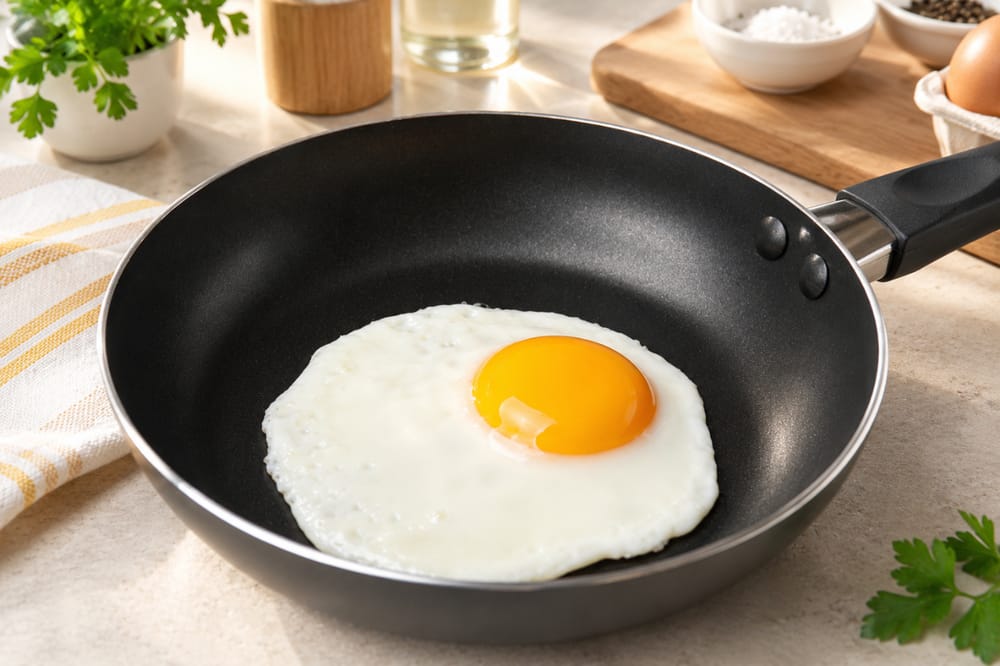
Imagine a fried egg that slides easily onto your plate, with whites that have set without becoming browned or crisp around the edges.
That usually calls for gentle, controlled cooking.
Butter, extra virgin olive oil, Liquid Coconut, and refined avocado oil can all work well here.
Butter brings its familiar richness, while olive oil contributes its own flavor. Liquid Coconut suits the same controlled, low-to-medium-heat cooking, and refined avocado oil is another practical option.
For fried eggs with browned, crisp edges
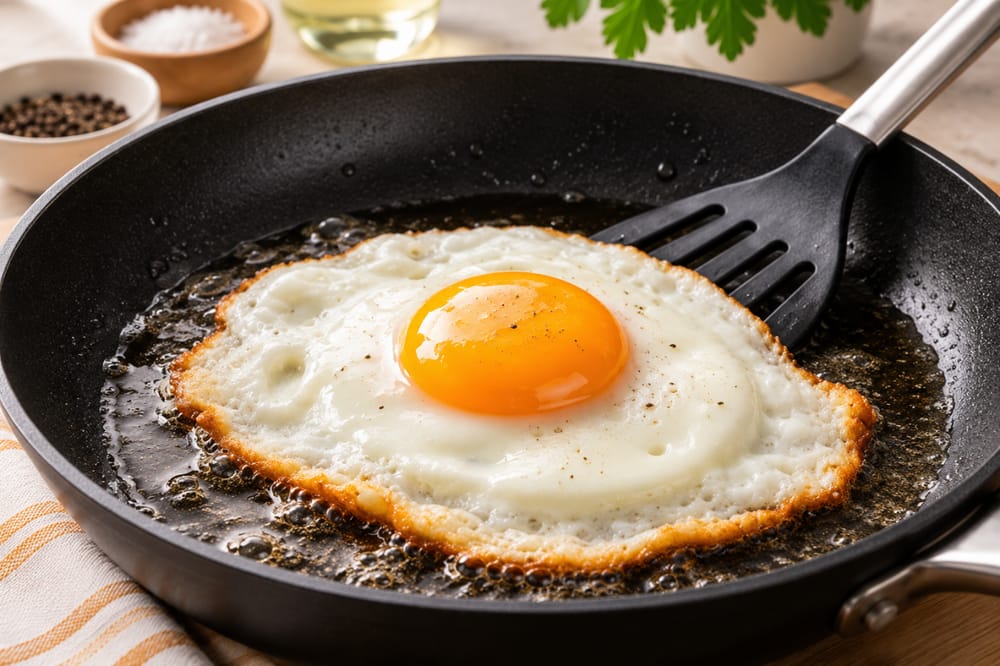
Now imagine an egg with a little more color around the outside.
The edges have browned, and there's a pleasant contrast between the crisp outer white and the rest of the egg.
To get that result, the pan is generally warmer than it would be for tender whites. The oil helps the edges fry as they set, but the heat still needs to suit the oil you're using.
Liquid Coconut can produce golden, lightly crisp edges when the skillet stays within its suitable low-to-medium-heat cooking range. You don't need to push it into intense, high-temperature frying to develop some browning.
If you prefer a richer flavor with your fried eggs, ghee gives you a buttery option that can handle a warmer pan than regular butter because most of its milk solids have been removed.
Beef tallow brings a different kind of richness. Its savory flavor can be mild or more noticeable depending on how it's prepared, making it appealing if you enjoy a heartier breakfast.
Extra virgin olive oil works for browned fried eggs too, especially when you enjoy the flavor it adds.
Crisp edges don't come from the cooking oil alone.
The pan's temperature, how much oil surrounds the egg, and how long the whites cook all affect the result. No cooking oil guarantees crisp edges by itself.
05. What Matters Besides the Cooking Oil?
Let's say you make fried eggs two mornings in a row.
You use the same oil both times. In one skillet, the egg lifts easily. In another, the white clings to the surface and tears when you try to move it.
The oil hasn't changed, but the cooking surface has.
A good nonstick skillet can make eggs easier to handle. A well-maintained, seasoned pan can also help, while stainless steel may require more attention to preheating and how the oil coats the surface.
The amount of oil matters too.
You want enough to coat the cooking area so the egg isn't sitting against dry patches of the pan. How much works best can depend on the cookware and the way you're preparing the egg.
And even with a suitable oil and a good pan, timing still matters. Scrambled eggs can become firmer than you intended if they stay on the heat too long.
These are useful things to recognize because changing your cooking oil won't necessarily solve an egg that keeps sticking or cooking unevenly.
Sometimes the better adjustment is simply to the pan or the way you're using it.
06. How Should You Choose an Oil for Your Next Breakfast?
Before buying a different oil just for eggs, think about whether the one you already use is doing the job.
Maybe you love the rich taste of butter with your scrambled eggs and don't need to change a thing. Or perhaps you want an oil that's ready to pour for both scrambled and gently fried eggs. Liquid Coconut fits that kind of routine.
And if you enjoy a more pronounced buttery or savory flavor when frying, ghee or beef tallow may appeal to you.
If you're curious about trying something different, change just the oil while keeping the pan and cooking method familiar. Notice whether you like the result and whether the oil makes breakfast easier to prepare.
You don't need seven different bottles to make a good breakfast. One or two cooking oils or fats that suit the eggs you enjoy may be all you need.
07. Final Thoughts: Start With the Eggs You Enjoy
The next time you make eggs, pay attention to what's happening in the skillet.
Are your scrambled eggs becoming firm faster than you want? Are the whites on your fried egg browning before they've finished setting?
Those little clues can tell you whether to adjust the heat, give the egg more time, or change the way you're using the pan.
And when you choose a cooking oil, you'll have a better idea of what you need it to do.
It's a simple way to get closer to the eggs you enjoy without making breakfast more complicated.
The Oil You Cook With Matters.
08. Frequently Asked Questions
Both can work well.
Butter adds a rich, familiar flavor, while cooking oils such as olive oil, Liquid Coconut, and refined avocado oil are also suitable for gentle scrambling.
For tender scrambled eggs, controlling the heat and cooking time matters more than choosing butter over every other suitable oil.
Yes. Extra virgin olive oil can work well for fried eggs, including gentle cooking and methods that create some browning.
Its flavor can vary from mild and fruity to more peppery, depending on the oil.
Choose a cooking method suited to the oil you're using and the kind of fried egg you enjoy.
Yes. Beef tallow is a cooking fat made by rendering beef fat, and it can be used for pan-fried eggs.
It brings a savory flavor that some people especially enjoy with browned fried eggs.
Its exact taste depends on how it has been prepared, so you may prefer a milder or stronger variety.
It can influence how the eggs cook against the pan and contribute to their richness and mouthfeel.
But the oil alone doesn't determine whether scrambled eggs turn out soft, firm, or dry.
The cooking temperature, how you move the eggs, and how long they stay on the heat play major roles in their finished texture.
Categorized under:

About the author
Lenny Gee from Coco-Nuts
Lenny Gee from Coco-Nuts
Lenny is the co-founder of Coco-Nuts. His approach starts with a simple belief: the oil you cook with matters. Though his blogs, he shares practical ideas about cooking oils, everyday meals, and simple kitchen upgrades that help home cooks make everyday cooking easier, lighter, and more enjoyable.
Keep Exploring the Kitchen
Keep Exploring the Kitchen
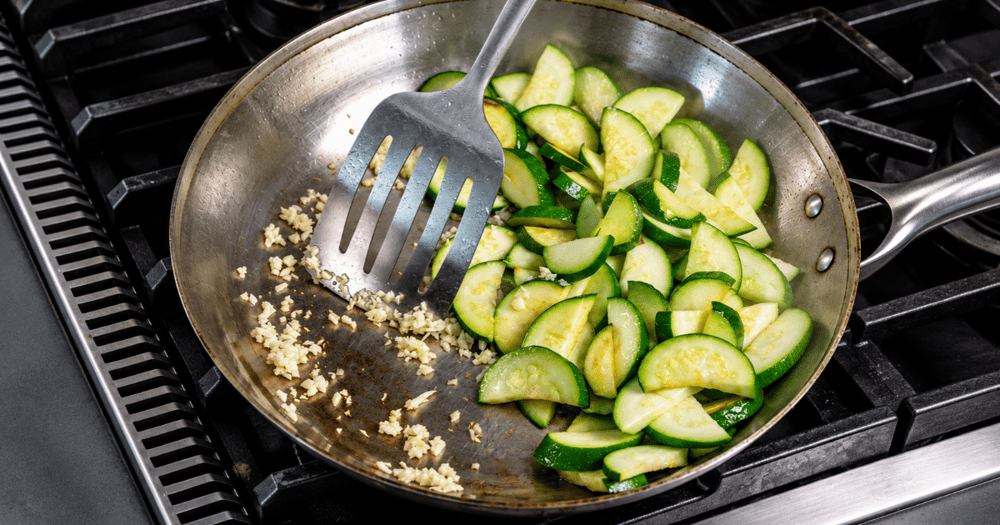
Best Oils for Medium-Heat Cooking
A good skillet meal starts with an oil that suits the way you cook. See how familiar cooking oils compare for medium heat, from flavor to everyday convenience.
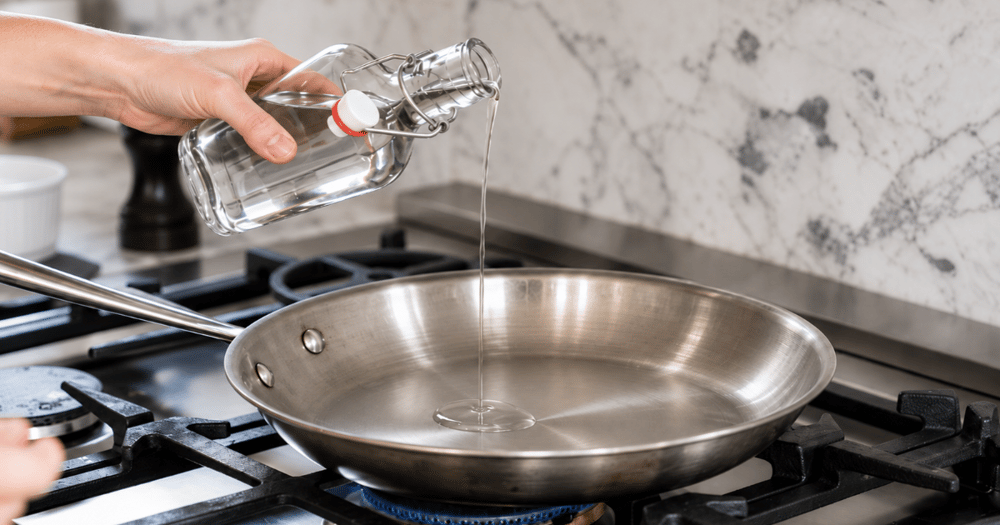
What Happens When Cooking Oil Is Heated?
Ever wondered what happens to oil in a hot skillet? Discover how heat changes cooking oil and why the way you cook makes a difference.
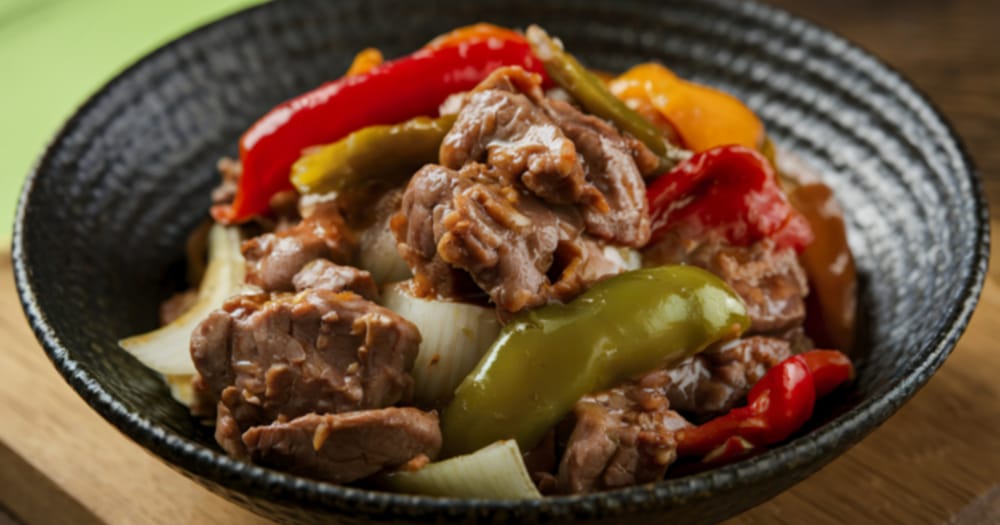
Pork Stir-Fry with Bell Peppers and Carrots
A quick pork stir-fry with colorful bell peppers, carrots, garlic, and a simple coconut aminos sauce for a fresh lunch or dinner.

Our Mission
To make better ingredient choices easier by creating thoughtful coconut products that replace conventional kitchen staples and fit naturally into the way people already cook.
Explore
© 2026 Coco-Nuts Inc. All rights reserved.
1520 55E Ave., Lachine, QC H8T 3J5, Canada

Ready to Upgrade the Way You Cook?
Join our FREE 7-Day Kitchen Upgrade Challenge and get one simple action each day to make cooking easier and everyday meals more enjoyable.
© 2026 Coco-Nuts Inc. All rights reserved.
1520 55E Ave., Lachine, QC H8T 3J5, Canada