

FREE 7-DAY CHALLENGE
Most People Never Realize Their Kitchen Habits Are Quietly Shaping Their Future
Join the free 7-Day Kitchen Upgrade Challenge and discover how small, intentional kitchen upgrades can quietly transform the way you cook, eat, and feel every day.

You'll get the free guide + simple daily upgrades delivered straight to your inbox.

Learn why the oil you cook with matters (and what most people miss)

Build healthier kitchen habits that actually fit real life

Make healthy cooking feel simpler, more enjoyable, and less overwhelming

Receive daily kitchen upgrades and practical tips in your inbox

Small kitchen upgrades can quietly transform the way you cook, eat, and feel every day.

The Oil You Cook With Matters.

FREE 7-DAY CHALLENGE
Most People Never Realize Their Kitchen Habits Are Quietly Shaping Their Future
Join the free 7-Day Kitchen Upgrade Challenge and discover how small, intentional kitchen upgrades can quietly transform the way you cook, eat, and feel every day.
You'll get the free guide + simple daily upgrades delivered straight to your inbox.
Learn why the oil you cook with matters (and what most people miss)
Build healthier kitchen habitsthat actually fit real life
Make healthy cooking feel simpler, more enjoyable, and less overwhelming
Receive daily kitchen upgrades and practical tips in your inbox
Small kitchen upgrades can quietly transform the way you cook, eat, and feel every day.
The Oil You Cook With Matters.
FREE 7-DAY KITCHEN UPGRADE CHALLENGE!

Monday, November 23, 2026
Cooking Oil Smoke Points Explained
A smoke-point number can help you choose a cooking oil, but it doesn't tell the whole story. Learn how to read those temperatures and what they mean for the meals you make at home.
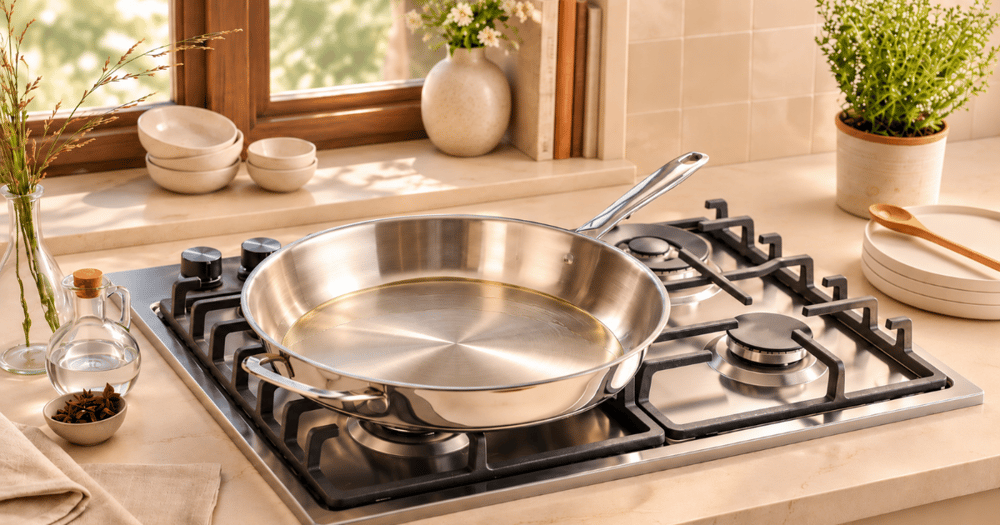
You may have seen cooking oils compared by their smoke points. But what do those temperatures actually mean, and should you always choose the oil with the highest number? Let's make sense of it.
Maybe you've looked up the smoke point of an oil and found two different temperatures for the same one.
One chart says 375°F. Another lists a number over 400°F.
Which one are you supposed to believe?
It's an understandable question.
Smoke-point charts can make cooking look more exact than it really is. Almost as though every bottle of oil has one fixed temperature at which it starts smoking.
But that's not quite how it works.
A smoke point tells you when an oil begins giving off visible smoke. And while that's useful information, the number can vary depending on the oil, how it's been processed, and its condition.
So I wouldn't ignore those charts. They can tell us quite a bit.
I'd just like to show you how to read them, so you can understand what the numbers mean and decide which oils suit the meals you're preparing.

THE QUICK ANSWER
An oil's smoke point is the temperature at which it begins producing visible smoke.
Different oils have different smoke points, and refining, quality, and condition can affect the temperature.
A higher smoke point can be useful for hotter cooking, but it doesn't automatically make an oil better for every meal. The important thing is choosing one suited to the heat you're using.

In This Guide
01. What Is a Cooking Oil's Smoke Point?
02. Why Do Cooking Oils Have Different Smoke Points?
03. Cooking Oil Smoke Point Chart: Common Oils and Fats Compared
04. What Do Smoke-Point Temperatures Mean for Everyday Cooking?
05. Does a Higher Smoke Point Mean a Better Cooking Oil?
06. How Should You Use Smoke Points When Choosing an Oil?
07. Final Thoughts: A Useful Number, Not the Whole Answer
08. Frequently Asked Questions
01. What Is a Cooking Oil's Smoke Point?
Think about warming a little oil in a skillet.
As it heats up, the oil becomes thinner and spreads more easily across the pan.
You might notice a slight shimmer on its surface.
But if you keep increasing the heat, you may eventually see a fine wisp of smoke rising from the oil.
That's what we mean by its smoke point.
It's the temperature at which the oil begins producing visible smoke under the conditions in which it's measured.
And it's worth knowing because you generally don't want your cooking oil smoking while you're preparing a meal.
Oil that's been overheated can develop unpleasant flavors and smells. Continued heating can also affect its quality.
But I want to make one distinction.
An oil doesn't suddenly begin changing the moment you see smoke.
Some changes can happen before that point, and reaching the smoke point doesn't mean the oil instantly becomes unsafe at one exact temperature.
It's a useful indication of how the oil is behaving under heat, not a dividing line between a good cooking oil and a bad one.
There's also something you may have noticed while cooking.
When you add vegetables or other foods containing moisture to a hot skillet, you might see steam rising from the pan.
That isn't necessarily oil smoke.
Steam comes from water in the food, while oil smoke comes from the heated oil itself.
They can look similar at first, but they aren't the same thing.
02. Why Do Cooking Oils Have Different Smoke Points?
Think about the olive oils you see at the grocery store.
There's extra virgin olive oil, regular olive oil, and sometimes one labeled light-tasting olive oil.
They all come from olives, but they haven't necessarily been processed the same way.
And that can make a difference in how they behave when heated.
Regular or light-tasting olive oil is generally made primarily from refined olive oil, with some virgin olive oil blended in.
Refining changes certain characteristics of the oil, including some that influence its smoke point.
How refining affects smoke point
Cooking oils contain more than just the fats that make up most of the oil.
They can also contain small amounts of other substances, including something called free fatty acids.
These are fatty acids that aren't attached to the larger fat molecules found in the oil.
Their presence can affect how soon an oil begins giving off visible smoke.
When an oil is refined, some of these components are reduced or removed.
That's one reason refining often raises the smoke point.
You can see a similar difference with coconut oil.
Virgin coconut oil generally has a lower smoke point than refined coconut oil.
Both come from coconuts, but their processing gives them different characteristics.
Of course, refining can also change an oil's flavor, aroma, and some of its natural compounds.
So while it may increase the smoke point, it doesn't automatically make the oil better for every purpose.
And processing isn't the only reason smoke-point values can differ.
Why two smoke-point charts might disagree
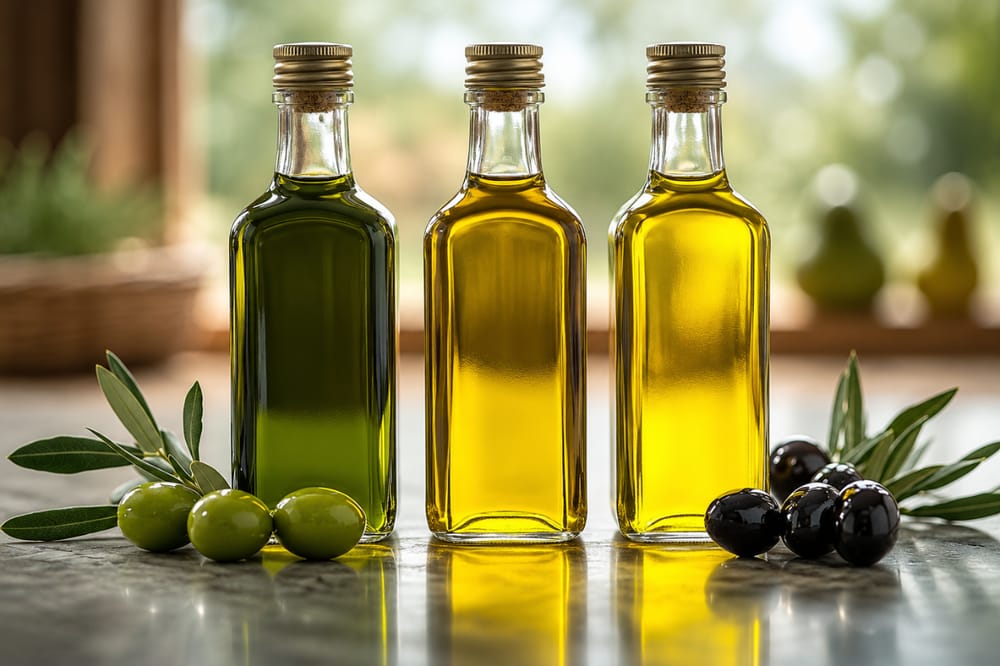
Let's return to those two charts.
One might list extra virgin olive oil at 375°F, while another shows a temperature above 400°F.
Both values can fall within the range reported for extra virgin olive oil.
That's because smoke points can vary with the oil's grade, quality, freshness, and the conditions under which it's tested.
Even two bottles sold under the same general oil name may not behave exactly alike.
So rather than treating every number as a precise limit for every bottle, I find it more useful to look at the approximate range.
That gives you a better idea of how an oil may behave without pretending the number is exact.
03. Cooking Oil Smoke Point Chart: Common Oils and Fats Compared
Let's compare a few familiar cooking oils and fats.
The temperatures below are approximate reference values. They're not guaranteed smoke points for every product.
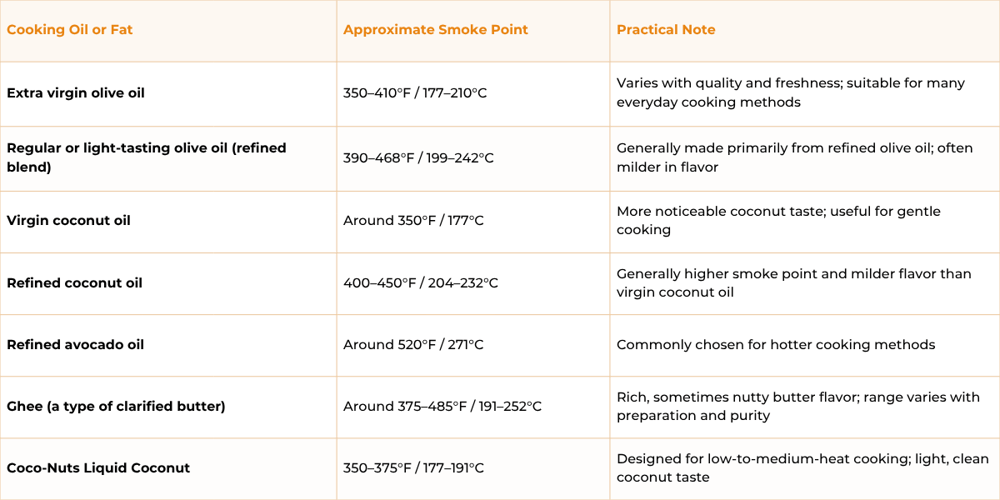
These are general reference values, not guarantees for individual products. The Liquid Coconut range comes from Coco-Nuts' approved product specifications.
Look at the different olive oils for a moment.
Extra virgin olive oil has one reported range, while regular or light-tasting olive oil has another.
And you can see a similar difference between virgin and refined coconut oil.
Ghee brings something different to the comparison. Because most of the milk solids have been removed from butter, it can tolerate higher temperatures than regular butter while retaining a rich, buttery taste.
This is why knowing the particular type of oil or fat matters.
A label that simply says olive oil or coconut oil may not tell you enough to identify its expected smoke point.
You'll also notice that some of the ranges overlap.
That's perfectly normal.
04. What Do Smoke-Point Temperatures Mean for Everyday Cooking?
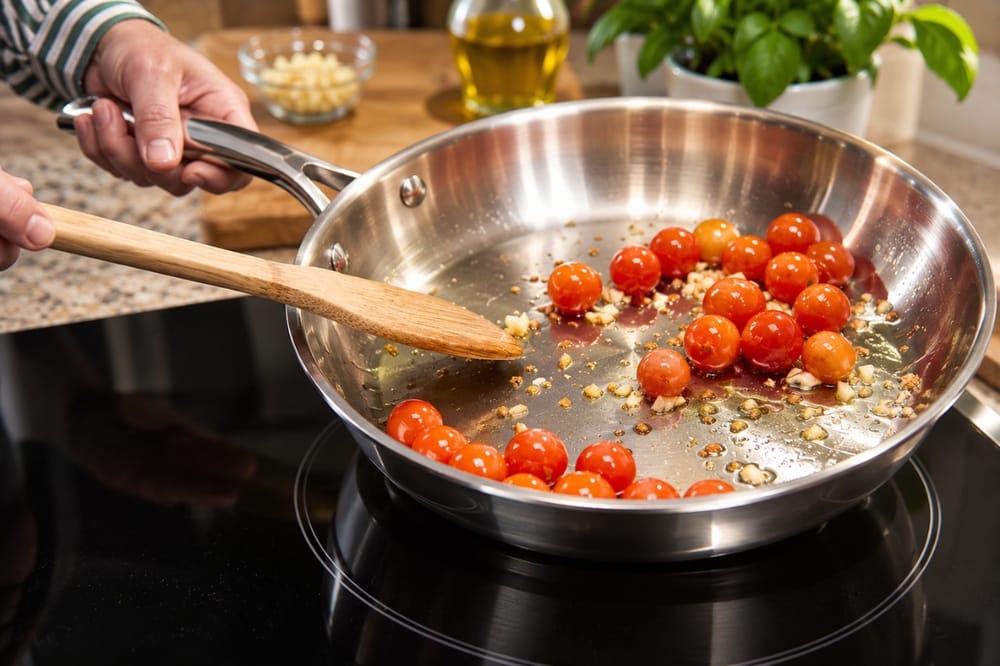
Imagine you're gently warming some garlic in a little oil before adding tomatoes to make a sauce.
You want the garlic to release its flavor without burning.
A low or moderate temperature gives you time to do that.
Now think about cooking vegetables or another familiar meal in a skillet over medium heat.
You might choose olive oil, virgin coconut oil, Liquid Coconut, or ghee, depending on the dish and the flavor you enjoy.
All of these can have a place in everyday cooking.
How to use the numbers in the chart
Look at three of the options in our chart.
Virgin coconut oil has a commonly reported smoke point around 350°F.
Coco-Nuts Liquid Coconut has an approximate range of 350–375°F.
And ghee has a higher reported range, although its smoke point varies depending on how it's prepared.
Does that mean ghee is automatically the better choice for a meal cooked over medium heat?
Not at all.
All three can be suitable for everyday cooking when the heat is appropriate.
You may prefer virgin coconut oil for its stronger coconut flavor, Liquid Coconut for its lighter coconut taste, or ghee for its buttery richness.
There's another detail worth remembering.
When you turn your stove to medium, you're not setting the oil to a precise temperature.
So you can't look at a chart, assume your oil has reached 350°F, and decide that an oil with a smoke point around that temperature is unsuitable for your meal.
The number on the chart and the conditions in your pan are two different things.
The stove setting doesn't tell you the oil temperature
Your stove controls how much heat is being delivered. It doesn't tell you the exact temperature of the oil sitting in your pan.
If you warm a little oil in an otherwise empty skillet, the temperature can continue climbing even though you haven't touched the burner dial.
Add food, and some of that heat goes into warming the ingredients. Moisture released during cooking can also change what's happening in the pan.
So the oil temperature doesn't necessarily stay constant throughout a meal.
That's why a setting marked medium doesn't correspond to one particular smoke-point number.
For everyday cooking, it helps to watch how the oil and food are behaving.
You might want a gentle sizzle while preparing a sauce, or a stronger sizzle when browning certain ingredients.
If the oil starts smoking, that's a sign to adjust the heat rather than continuing to heat it unnecessarily.
What matters is how the oil behaves under the actual cooking conditions.
05. Does a Higher Smoke Point Mean a Better Cooking Oil?
A higher smoke point can be useful when you're cooking at higher temperatures.
But it doesn't tell you everything about the oil.
Think about the different ways you might use olive oil.
You may enjoy extra virgin olive oil's fruity or peppery flavor in a gently cooked dish or over food that's already prepared.
That flavor is part of what makes the oil appealing.
A refined oil with a much higher smoke point might handle more heat, but that doesn't mean it will give you the taste you're looking for.
The same idea applies to other cooking oils and fats.
Ghee brings a rich, buttery flavor. Virgin coconut oil has a more noticeable coconut taste. Liquid Coconut has a lighter coconut note that works with many familiar ingredients.
Their smoke points are different, but that isn't the only difference that matters when you're cooking.
And there's another distinction that a smoke-point chart can't fully explain.
Two oils can have similar smoke points without behaving identically during prolonged heating.
Their fatty acid composition and other characteristics influence how they respond to heat.
We covered those changes in more detail in our article about what happens when cooking oil is heated.
For this discussion, the important distinction is that smoke point describes one aspect of an oil's behavior.
It doesn't measure every characteristic that matters when you're preparing food.
Once you understand the cooking temperatures an oil is suited for, you can also consider the flavor it brings and whether it works with the meals you enjoy.
06. How Should You Use Smoke Points When Choosing an Oil?
The next time you look at a smoke-point chart, I'd begin with the name of the oil.
Is it virgin coconut oil or refined coconut oil? Extra virgin olive oil or a regular, refined blend?
As we've seen, those differences can affect the numbers.
Then remember that the listed temperature is an approximate reference, not a reading of what's happening in your own pan.
The way you cook makes a difference.
If you're gently preparing food over low-to-medium heat, several oils and fats can work well. And if you're using a method that calls for more intense heat, you'll want something suited to those conditions.
Once you've considered the cooking method, you can think about flavor and the other qualities you enjoy in an oil.
Take Coco-Nuts Liquid Coconut, for example.
It has an approximate smoke point of 350–375°F and is designed for low-to-medium-heat cooking.
That makes it useful for many familiar skillet meals when you want an oil that works with the ingredients and brings a light, clean coconut taste.
You don't need one oil for every possible cooking method.
And you don't need to memorize every temperature in the chart.
Knowing which oil you're looking at, understanding how you plan to cook, and recognizing that the values are approximate can help you make a more informed choice.
If you regularly cook over moderate heat, our guide to the best oils for medium-heat cooking explores those choices in more detail.
07. Final Thoughts: A Useful Number, Not the Whole Answer
The next time you look at a cooking oil smoke-point chart, I hope the numbers feel a little more useful.
You know what they mean, why they can vary, and how they relate to different cooking methods.
But there's one thing I'd particularly like you to remember.
A smoke point is useful information about an oil. It isn't a ranking of which oils are best for your kitchen.
Think about the cooking method, the type of oil you're using, and the food you want to prepare.
An oil that works nicely for a familiar medium-heat meal doesn't need to have the highest smoke point on the chart.
And when you're cooking something different, you'll have a better idea of what to look for.
That's what makes understanding smoke points worthwhile.
Not memorizing every number, but knowing what those numbers can tell you when you're standing in your own kitchen.
The Oil You Cook With Matters.
08. Frequently Asked Questions
No.
Smoke point is the temperature at which an oil begins producing visible smoke.
Flash point is a different, higher-temperature measurement related to the point at which vapors can ignite briefly when exposed to an ignition source.
For everyday cooking, smoke point is the more useful of the two measurements.
Refining often raises the smoke point because it reduces certain components, including free fatty acids.
But that doesn't mean every refined oil has a higher smoke point than every unrefined oil.
The oil type, its processing, quality, and condition all matter.
It's more useful to compare refined and unrefined versions of the same oil than to make a general rule about every oil.
Yes. Extra virgin olive oil is suitable for many everyday cooking methods, including sautéing and other moderate-temperature preparations.
Its smoke point can vary with quality, grade, freshness, and testing conditions.
Choose it for cooking methods suited to the particular oil and pay attention to the heat in your pan rather than treating one chart value as an exact limit for every bottle.
No.
An oil doesn't need an extremely high smoke point to work well for everyday medium-heat meals.
For example, virgin coconut oil, extra virgin olive oil, and Coco-Nuts Liquid Coconut can all be suitable for appropriately controlled cooking, despite having different reported smoke points.
What matters is how you're preparing the food, the actual cooking conditions, and the qualities you want from the oil.
Categorized under:

About the author
Lenny Gee from Coco-Nuts
Lenny Gee from Coco-Nuts
Lenny is the co-founder of Coco-Nuts. His approach starts with a simple belief: the oil you cook with matters. Though his blogs, he shares practical ideas about cooking oils, everyday meals, and simple kitchen upgrades that help home cooks make everyday cooking easier, lighter, and more enjoyable.
Keep Exploring the Kitchen
Keep Exploring the Kitchen
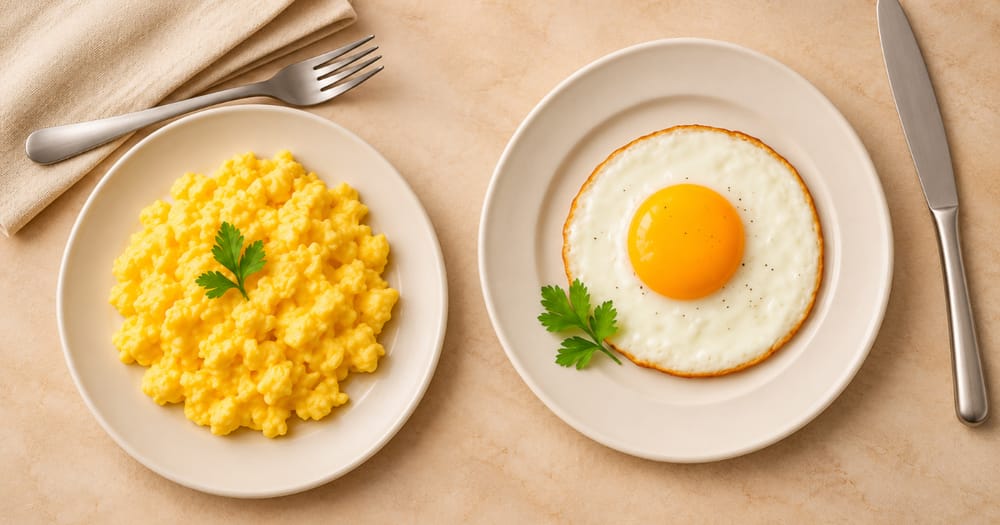
What's the Best Oil for Cooking Eggs?
Soft scrambled eggs or fried eggs with golden, crisp edges? See how different cooking oils and fats work in the pan and choose what fits your breakfast.
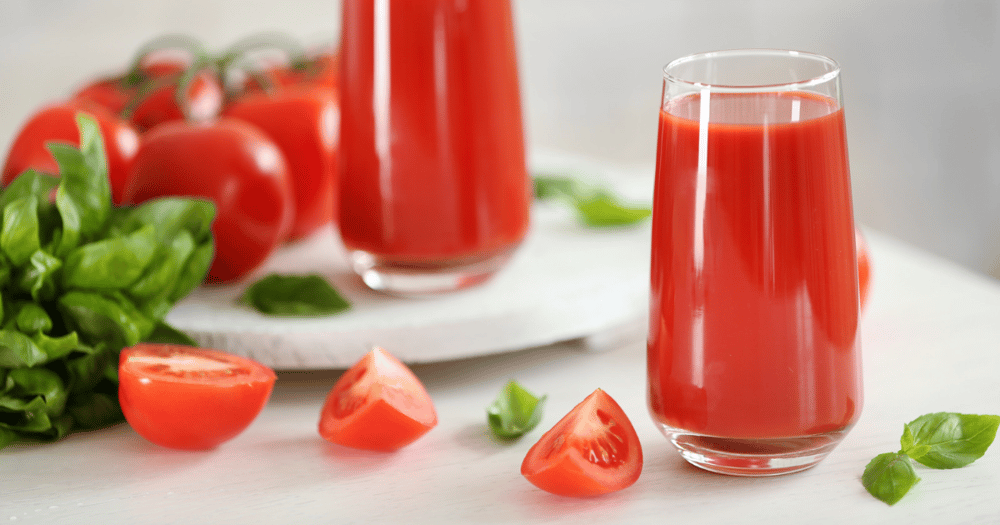
Tomato & Basil Juice
A savory tomato basil juice with cucumber, lemon, and Liquid Coconut for a fresh blender drink with a smoother finish.

Liquid Coconut Oil vs MCT Oil: What's Different?
Both oils can come from coconuts and contain MCTs, but they're not always made for the same purpose. Discover how their composition and everyday uses compare, and what that means for your kitchen.

Our Mission
To make better ingredient choices easier by creating thoughtful coconut products that replace conventional kitchen staples and fit naturally into the way people already cook.
Explore
© 2026 Coco-Nuts Inc. All rights reserved.
1520 55E Ave., Lachine, QC H8T 3J5, Canada

Ready to Upgrade the Way You Cook?
Join our FREE 7-Day Kitchen Upgrade Challenge and get one simple action each day to make cooking easier and everyday meals more enjoyable.
© 2026 Coco-Nuts Inc. All rights reserved.
1520 55E Ave., Lachine, QC H8T 3J5, Canada